 EN
EN
Match Binding Type to Primary User and Use Case
Selecting the optimal book binding method requires aligning structural properties with the primary user’s functional demands and usage environment. A student’s textbook demands fundamentally different binding characteristics than a corporate training manual or limited-edition art monograph.
Students: Prioritizing affordability, portability, and note-taking flexibility
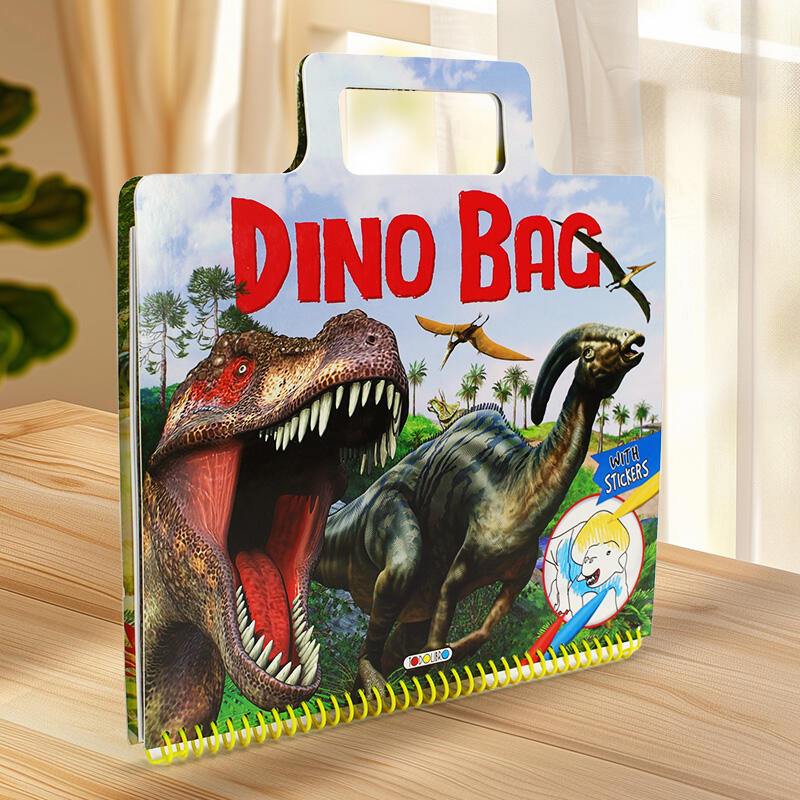
Students want books that won't weigh them down during their daily commute between classes and still let them scribble notes in the margins. Spiral bound or comb bound books are great because they lay completely flat when opened, making it much easier to take notes. For paperback novels, regular perfect binding works just fine since these aren't going to get too much wear and tear. Some tests done by educational suppliers show that spiral bound notebooks can handle about three times as many page flips as those held together with staples before the spine finally gives out. When shopping around, look for covers made from flexible yet light materials such as polypropylene which tend to hold up better over time without adding unnecessary bulk.
Professionals & trainers: Balancing durability, lay-flat functionality, and brand presentation
Training manuals and client-facing materials require rugged construction and professional aesthetics. Wire-o binding offers superior lay-flat performance for hands-free reference during workshops, while reinforced PUR binding withstands frequent page turns. For high-circulation technical documents, thread-sewn bindings provide five times the lifespan of adhesive-based methods—validated by library durability benchmarks.
Collectors & premium publishers: Emphasizing archival quality, aesthetic prestige, and structural integrity
For true heirloom quality books, makers need to go with acid-free paper and traditional craftsmanship methods. The Smyth sewing technique lets pages lie completely flat without damaging the spine, something regular books just can't do. Cloth covers plus foil stamped titles really make these editions stand out as valuable pieces. Looking at preservation data, sewn bindings hold up around 100 years compared to only about 25 years for glued bindings. This matters a lot when it comes to keeping first printings and art volumes intact since both look good and last longer than cheaper alternatives on the market today.
Evaluate Key Functional Requirements for Your Book Binding
Lay-flat performance: Critical for cookbooks, manuals, and workbooks
When someone needs to keep both hands free while reading, the book binding becomes really important. Cookbooks, technical manuals, those thick workbooks we all hate but need, they all work better with bindings that let them stay open naturally. Wire-O and coil bindings are great because they spin around completely, so pages don't just snap shut on us mid-recipe or mid-instruction. People actually spend much more time looking at cookbook pages when the book lies flat, according to some studies I read last week. This isn't just theory either. Think about trying to follow a complicated recipe while flipping pages constantly versus having everything spread out right there in front of us. Makes a world of difference in real-life situations.
- Recipe preparation without weighted page holders
- Training manuals remaining open during hands-on tasks
- Workbooks enabling simultaneous writing and reference
Durability vs. circulation volume: Why thread-sewn outperforms perfect binding in high-use settings
Binding longevity directly correlates with usage intensity. Thread-sewn binding withstands 500+ circulations in libraries, while perfect binding fails after 150 circulations (Library Journal, 2023). This durability gap stems from structural differences:
- Thread-sewn: Signatures stitched through spines resist page detachment
- Perfect binding: Glue weakens with repeated spine flexing
- Saddle stitch: Staples corrode in humid environments
High-traffic settings like educational institutions require thread-sewn construction. Its reinforced stitching prevents page loss during frequent handling—and for archival collections, it preserves textblocks for over a century without adhesive degradation.
Compare Top Book Binding Methods by Application
Saddle stitch: Best for short-run, low-cost booklets under 80 pages
When it comes to saddle stitching, we're talking about those little metal staples running down the middle of folded pages. Great stuff for things like community newsletters, promotional flyers, and those slim catalogues everyone gets in their mailbox. The cost savings are pretty impressive too - around half what glue binding would set businesses back for anything under 80 pages. Plus, print shops can crank out thousands of copies without breaking a sweat. But watch out if the document gets too thick. Pages tend to pop out and the whole thing starts looking like it's about to fall apart at the seams. That's why event planners love this method for their annual conference programs and retailers stick with it for those holiday sale brochures they need to reprint every few weeks. Just makes good business sense when budgets matter most.
Perfect binding: Ideal for novels and reports—cost-effective but limited lay-flat capability
With perfect binding, publishers apply glue to all those stacked pages first, then attach a wraparound cover to create those nice looking spines we see on most novels and corporate reports. Around seven out of ten trade paperbacks actually use this technique these days. But here's the catch – books bound this way don't really lie flat when opened. The problem gets worse as page counts go up past 500 pages or so, where the glue tends to give way over time. If someone needs to reference specific pages regularly, like in technical manuals or student workbooks, there are better options available. Still, perfect binding works great for things like annual reports or fiction titles where having an attractive spine matters more than being able to spread the book completely open on a desk.
Wire-o and coil binding: Unmatched lay-flat and 360° page rotation for planners, calendars, and cookbooks
When metal or plastic coils are run through those precisely punched holes in paper, they allow full 360 degree turning of pages. The thing is, these coil bindings can handle about three times as many flips compared to regular perfect binding when put to real world stress. People cooking while following recipes find this really helpful, same goes for mechanics working on repair guides who need both hands free. Sure, making books this way does cost around 25 percent extra compared to saddle stitch methods, but most folks agree it's worth every penny for reference materials that get used day after day. Some tests done in actual classrooms show coil bound workbooks tend to stick around for roughly two and a half years before needing replacement, whereas those glued together versions typically fall apart within just eight months of constant handling.
Frequently Asked Questions
What is the best binding method for textbooks used by students?
Spiral or comb binding is recommended for students as it allows the book to lay flat, facilitating easy note-taking and durability through frequent use.
How does wire-o binding compare to perfect binding?
Wire-o binding offers superior lay-flat functionality, vital for cookbooks and manuals, while perfect binding is more cost-effective but doesn't lay flat easily.
Why choose thread-sewn binding for high-use settings?
Thread-sewn binding lasts longer under high use, outperforming perfect binding due to its resistance to page detachment, making it ideal for libraries and educational institutions.