 EN
EN

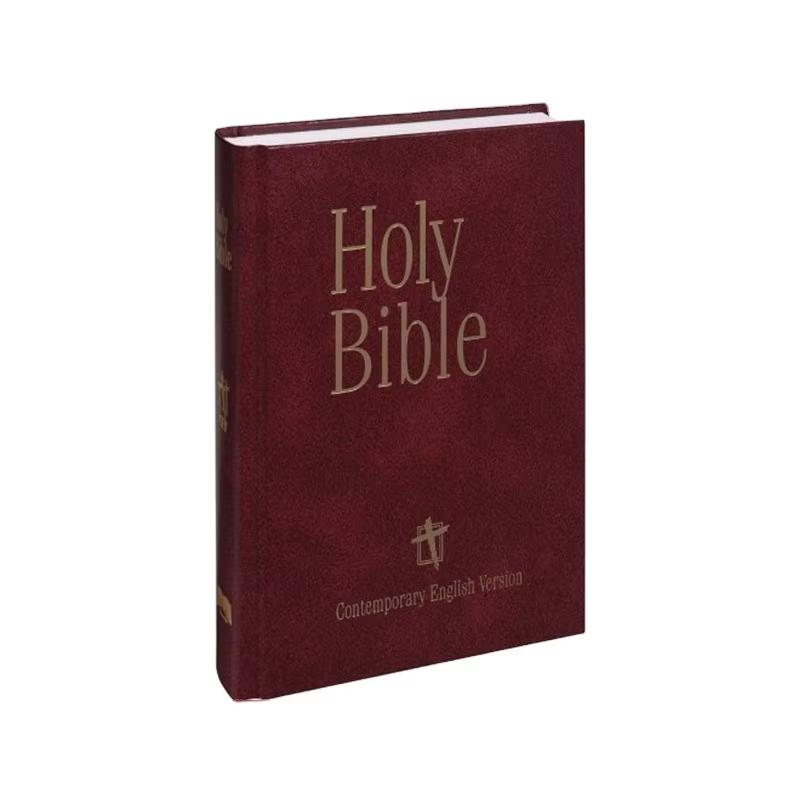
Physical Forensics: Verifying Paper, Ink, and Typography in Custom Bible Production
Analyzing Paper Fiber Composition and Age-Appropriate Signatures
The forensic examination of Bible papers starts with looking at the fibers themselves. We check if it contains cotton or linen, test for pH balance, and assess how stable the material will be over time. These tests help determine whether the paper will hold up without turning yellow or becoming brittle after years of handling. For Bibles meant to be passed down through families, acid and lignin free materials simply must be used. When verifying older copies, we look at specific features that tell us about their age. Watermarks need to appear in the right places, chain lines should have proper spacing between them, and the surface texture has to match what was typical during that era. New commissions require different checks based on what clients specifically request. Opacity levels around 92 to 96 percent help prevent text from showing through pages, but we also want the paper thick enough (usually 38 to 42 grams per square meter) so ministers can carry their Bibles comfortably during sermons, trips, or church services without worrying about damage.
Matching Ink Chemistry and Typography to Historical or Commissioned Specifications
When it comes to ink forensics, we use spectroscopy to figure out what chemicals make up the ink. Old documents from before the 1800s typically contain iron gall ink while modern ones often have carbon based pigments that last longer in archives. We also check how well the ink holds up against things like fading, feathering, or bleeding when exposed to different levels of moisture or pressure. Looking at typography goes beyond just picking fonts. The details matter a lot too. Things like consistent x height measurements, proper spacing between lines, and correct letter spacing (called kerning) need to align exactly with either historical manuscripts or whatever the client specified in their design brief. This becomes really important with certain styles like Gothic, Blackletter, or those inspired by the Renaissance period. Getting these small details right makes reading easier over long periods and preserves both the religious significance and artistic value that are so crucial for bespoke Bible reproductions.
Binding Integrity and Material Traceability for Authentic Custom Bible Delivery
The strength of book binding really matters when we talk about how long something will last. When books are sewn together using strong threads like linen or hemp through those folded sections before adding covers, they just hold up better than other methods. These sewn bindings create a kind of backbone for the book that regular glue jobs can't match. Testing has shown these sewn books can handle around 15 thousand times opening and closing without any cracks forming at the edges or pages coming loose from each other. Glue-bound books tend to fall apart much sooner, usually somewhere between five to seven thousand openings before showing signs of wear.
Tracking materials throughout the supply chain keeps everyone honest. Paper mills can show proof their fibers come from 100% cotton rags, tanneries document where their leather comes from, and thread makers give certifications about what kind of natural fibers they actually contain. When companies implement digital batch tracking systems within their ERP software, they get detailed records on when materials were sourced, how much waste was generated during processing, plus all sorts of environmental compliance info. This creates an audit trail that stops unscrupulous suppliers from passing off cheap substitutes while also backing up green marketing claims like FSC certified paper or genuine vegetable tanned leather. If organizations don't have proper traceability measures in place, they might end up with religious texts glued together with synthetic adhesives, books claiming to be made from recycled materials that aren't really, or covers that won't last decades because they weren't made properly.
Certificates of Authenticity and Digital Provenance in Custom Bible Manufacturing
Legal Validity and Ecclesiastical Recognition of COAs for Custom Bible Projects
A Certificate of Authenticity, or COA for short, acts as official proof that something is genuine. These documents get signed off by expert craftsmen and verified through independent testing labs. Courts actually recognize them as valid evidence, and religious institutions take them seriously too. The Vatican Library's Codicological Standards and the Anglican Communion's Liturgical Book Commission both give their stamp of approval on these certificates. What makes COAs stand out? They come with all sorts of supporting evidence attached. Think about things like detailed fiber analysis reports, summaries showing what kind of ink was used, and explanations about how the bindings were made. There are even special sections dealing with religious requirements. For instance, they check whether texts follow traditional formatting rules or contain only approved translations in footnotes. This attention to detail helps ensure that religious communities accept these items while also standing up in court if needed.
Blockchain-Verified Chain of Custody from Print to Client
Digital provenance works by using permissioned blockchain ledgers to track events throughout production stages. Think about things like paper pulp batch IDs, press calibration records, ink lot numbers, binding tech certifications, and those final quality checks before shipping. Customers can actually see all this information through QR code certificates of authenticity. They get real time access to verify when items change hands and confirm materials stay consistent throughout. Compared to old school PDFs or simple email confirmations, this approach stops anyone from messing with records after production completes. It creates solid proof that what arrives is exactly what was originally documented. This matters a lot for museums buying pieces, donors wanting transparency, and anyone concerned about preserving valuable collections over time.
Quality Control Benchmarks That Differentiate Authentic Custom Bible Prints from Reproductions
Authentic custom Bible production adheres to measurable, laboratory-validated benchmarks—distinct from subjective “high-end” marketing claims.
- Paper inspection protocols require fiber density uniformity of ≥90%, verified via microspectrophotometry. Consistent density ensures opacity (92–96%) without compromising fold endurance—a balance mass producers often sacrifice for speed.
- Print alignment precision mandates registration tolerances ≤0.15mm across all color separations and folios. This eliminates shadowing or double imaging common in reproductions, where misalignment frequently exceeds 0.5mm due to uncalibrated rollers or thermal paper expansion.
- Binding integrity testing subjects finished units to accelerated aging and mechanical stress trials, including spine flex cycles and drop tests. Only sewn, linen-thread-bound units meet the 15,000+ cycle threshold required for liturgical or missionary use.
- Color consistency is quantified using Delta-E (ΔE*) 2000 measurements across full print runs. Authentic editions maintain ΔE < 1.5—visually indistinguishable to the human eye—while reproductions routinely exceed ΔE 3.0 due to inconsistent ink density monitoring and substrate variability.
These standards yield a documented defect rate of just 0.8% in certified custom production—compared to industry-wide averages of 12–15% for non-forensically vetted reproductions—affirming that authenticity is not symbolic, but empirically verifiable.
FAQ
What are key aspects of verifying paper in custom Bibles? Key aspects include checking fiber composition, acid and lignin presence, opacity levels, and authentic watermarks and chain lines for historical accuracy.
How is ink forensics relevant in custom Bible production? Ink forensics involves analyzing chemical composition using spectroscopy to ensure authenticity, durability, and alignment with historical or commissioned designs.
What role do Certificates of Authenticity (COAs) play? COAs provide validated proof of authenticity, supported by laboratory results and expert verification, ensuring legal and ecclesiastical acceptance.
How is blockchain used in custom Bible tracking? Blockchain verifies the production chain, providing real-time, tamper-proof records of material sourcing and manufacturing processes.
Table of Contents
- Physical Forensics: Verifying Paper, Ink, and Typography in Custom Bible Production
- Binding Integrity and Material Traceability for Authentic Custom Bible Delivery
- Certificates of Authenticity and Digital Provenance in Custom Bible Manufacturing
- Quality Control Benchmarks That Differentiate Authentic Custom Bible Prints from Reproductions
- FAQ