 EN
How to Order Calendar Printing With a Custom Calendar Layout
Calendar printing turns a date grid into a year-long brand or gift, and the difference between a calendar that sells and one that looks cheap is set at layout and stock. Buyers who order calendar printing by format and proof avoid the crooked grids and faded photos that hurt a custom calendar. The guidance uses cases, the failure modes of weak prepress, the engineering that holds, and a buyer checklist for a wall calendar and photo calendar.
Real-World Industry Case / Scenario
A Nonprofit That Sold a Crooked Grid
A nonprofit ordered calendar printing for a fundraiser and the custom calendar arrived with misaligned grids and a photo calendar image cut at the subject's head. The wall calendar looked amateur and sales suffered. A supplier with a calendar printing proof fixed the grid and safe area. The buyer learned that a custom calendar needs a proof, and that photo calendar cropping must be checked before the press runs.
The job is a deadline business. Buyers should work backwards from the date the calendar must be in hand, allowing for proofing, printing, binding, and packing, because a wall calendar that arrives after the new year has no value. The production schedule matters as much as the artwork.
Packaging protects the finished stack. A wall calendar shipped flat needs a rigid mailer or a carton with corner protection, or the head binding arrives bent and the first impression is lost. The photo calendar that survives the journey is the one that gets hung at all.
A Brand That Needed a Premium Feel
A brand wanted calendar printing that felt premium for clients, but a thin stock wall calendar undercut the message. Moving to a heavier custom calendar stock and a coated photo calendar finish lifted perceived value. The buyer learned that calendar printing stock speaks before the image, and that a wall calendar on the right paper earns the premium.
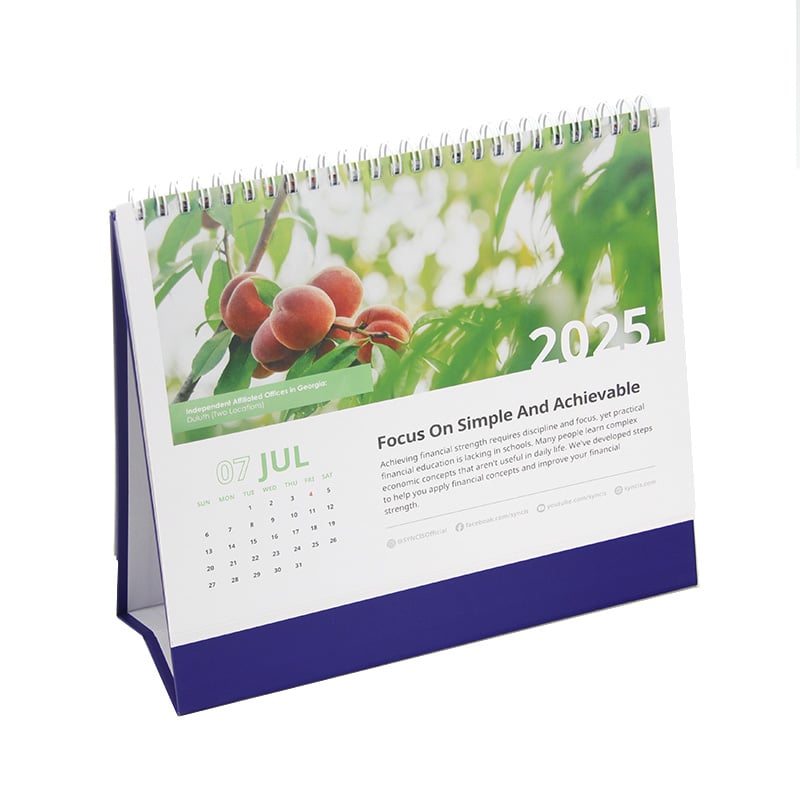
Stock choice decides durability. A custom calendar hung in a workshop or a kitchen needs a heavier, coated board that resists moisture and handling, while a photo calendar kept indoors can use a lighter stock. The paper grade should match where the piece will actually hang.
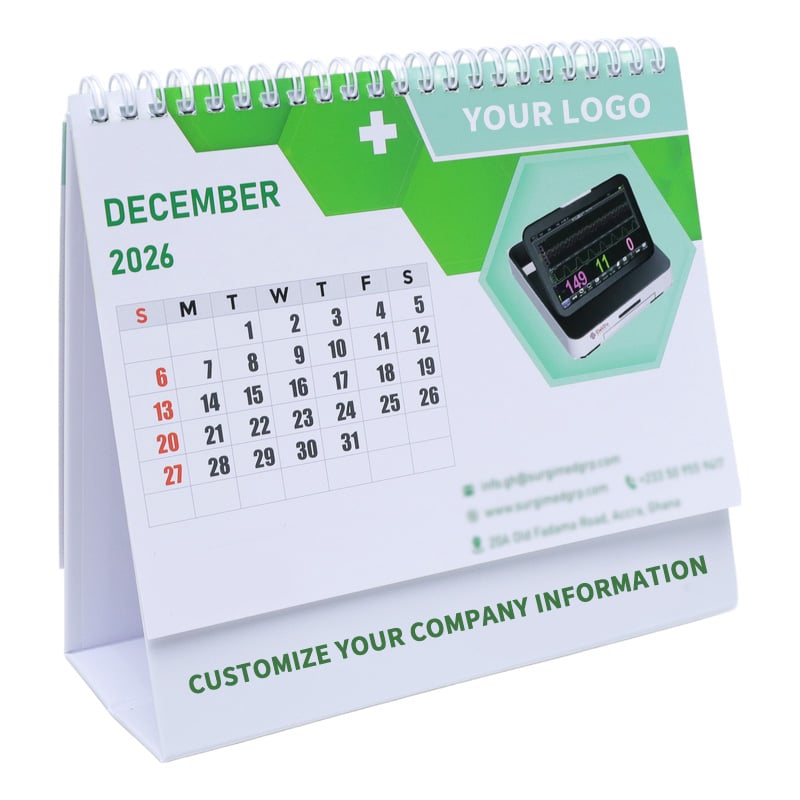
Personalisation changes the economics. Adding a name, a logo, or a variable image turns a stock calendar into a marketing piece, but it also adds a data handling and a proofing step. Buyers should confirm the variable data path before committing to a custom calendar run.
Risk & Failure Mode Analysis
Grid and Crop Errors
The main failure in calendar printing is a grid that drifts or an image cropped into the subject, so the custom calendar reads wrong and the photo calendar loses its hero shot. A wall calendar with bad safe areas wastes the run. The fix is a proof with grid and crop marks, because calendar printing without a check prints the mistake across every month.
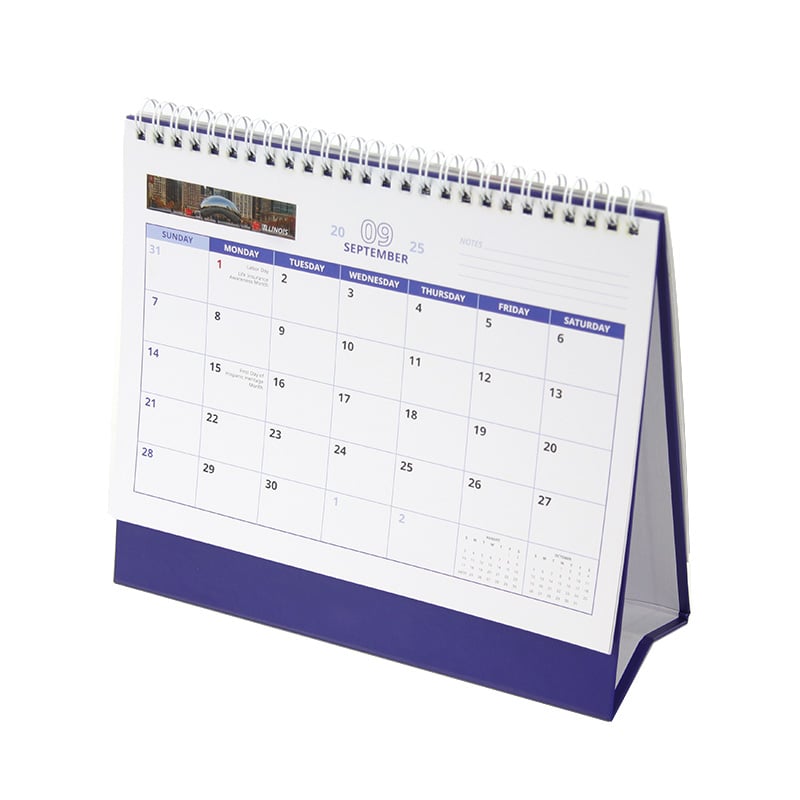
Binding method follows use. A wall calendar bound at the head with a wire or a spiral stays flat and turns cleanly, while a stapled photo calendar suits a desk or a gift format. Buyers should choose the finishing method against the intended use rather than against cost alone.
Distribution format drives the trim. A calendar posted to clients needs a size that survives the mail, while one handed over at a counter can be larger and more elaborate. The wall calendar trim should be chosen against the delivery method, not only against the design.
Stock and Finish Mismatch
A photo calendar on weak stock or a wall calendar with the wrong binding sags or curls, and calendar printing that ignores use fails in the home. The risk is functional, not just visual, so the custom calendar should match where it hangs. A printing company that skips use-case advice delivers a calendar printing order that looks right and behaves wrong.
Colour accuracy matters most on the images. A photo calendar reproduces skin tones and brand colours only if the proof is checked on the real stock under consistent light. Buyers should approve a printed proof rather than a screen proof for any custom calendar where image fidelity carries the value.
Proof the hanging hardware as well as the sheet. The eyelet, the hanger, and the head strip all fail in use, so a sample should be hung and turned before the run is approved. A custom calendar that tears at the eyelet on the first wall is a wasted print.
Technical Principles & Standard Compliance
Layout, Stock, and Binding
Good calendar printing combines a clean grid, image-safe cropping, and a stock and binding fit for the wall calendar or photo calendar. The custom calendar should proof the grid and the crop, and the binding should hold the months flat. A printing company that documents these lets the buyer trust the calendar printing, while a custom calendar without a proof hides the error until the box opens.
Order quantities should match the distribution plan. Buyers who know how many wall calendar pieces go to clients, staff, and retail can order close to the real number and avoid a year of storage. Custom calendar runs priced per piece drop sharply at volume, so the estimate should be checked before the order is placed.
A clear prepress checklist prevents the errors that surface only after print.
Actionable Buyer & Maintenance Guide
Specifying and Ordering the Calendar
Buyers should set the calendar printing format, stock, and binding, then approve a grid and crop proof with the supplier. Suppliers of calendar printing such as CMSZ Print lay out a custom calendar plan that names stock and finish. Ordering well means a signed proof and a clear ship date. A wall calendar or photo calendar briefed with care keeps the calendar printing on brand and on time.
Artwork timing is the usual bottleneck. A wall calendar needs the images finalised months ahead, because the proof, the plate, and the bind all sit downstream of the last file. Buyers who lock the artwork early keep the custom calendar out of the rush that compresses the schedule.
Proofing before the full run confirms colour and layout before stock is committed.
Frequently Asked Questions
Question 1: What format works best?
Answer: Format follows use; a wall calendar suits a office and a photo calendar suits a gift, so calendar printing should match the place it hangs. The custom calendar size and binding decide whether it lies flat. Buyers should pick the format first, because calendar printing on the wrong size wastes the image.
Question 2: How is the photo kept sharp?
Answer: Sharpness comes from a high-resolution source and a photo calendar proof that shows the crop, because calendar printing compresses a weak file across twelve months. The custom calendar should keep the subject in the safe area, and the wall calendar grid must not cross the face. Buyers should supply print-ready images for calendar printing.
Question 3: Which stock feels premium?
Answer: Premium feel comes from heavier stock and a coated finish on the photo calendar, while a wall calendar gains from a rigid backing. Calendar printing on thin paper curls and reads cheap, so the custom calendar stock should match the message. Buyers should request samples before the calendar printing order.
Question 4: How is the order verified?
Answer: Verification means a grid and crop proof, a stock sample, and a signed approval before calendar printing runs. The custom calendar should be checked for bind and trim, and the wall calendar for flat hang. A printing company that records the proof protects the photo calendar from a reprint.