 EN
EN

Understanding Paper Thickness Metrics for Children's Books
GSM vs. Basis Weight: Why GSM Is the Standard for Global Children's Book Production
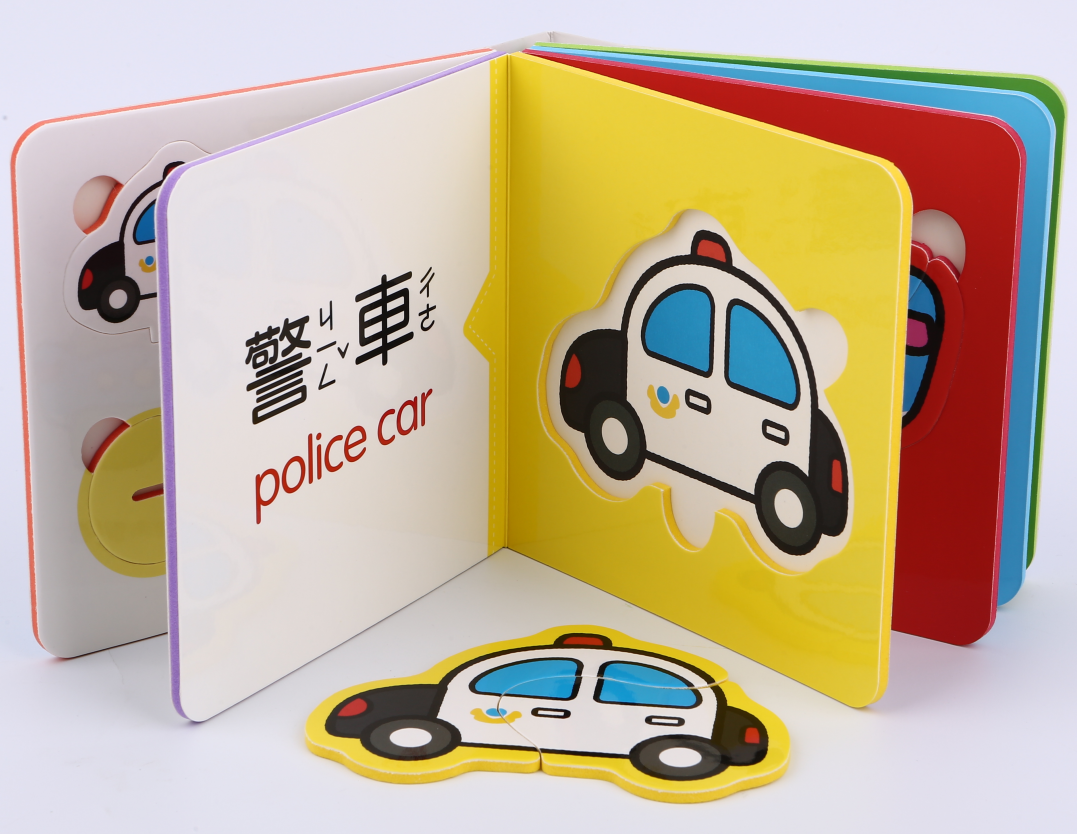
The Grams per Square Meter (GSM) rating has become the standard way to measure how thick paper is, especially when compared to basis weight measurements that change depending on where you are and what kind of paper we're talking about (like those pound per ream calculations for specific sheet sizes). Having this universal measurement makes things much easier for companies working internationally with production, sourcing materials, and maintaining quality standards. When it comes to making children's books, the right GSM matters a lot because kids tend to be rough on their books. Board books typically need around 105 to maybe even 135 gsm so they don't bend too easily or get damaged when little hands chew on them. Early reader books work well with something lighter, usually between 90 and 105 gsm, giving enough flexibility but still holding up against tears. Sticking to consistent GSM specs helps avoid all sorts of conversion headaches throughout the supply chain and means publishers can count on their books performing reliably whether they end up in humid tropical climates or cold northern regions.
Caliper, Density, and Finish: How Non-Weight Factors Impact Tear Resistance and Page Turnability
GSM gives us an idea about paper weight, but other factors matter just as much when it comes to how well paper works in practice. Thickness, measured either in microns or points, plays a big role too. Thicker paper feels sturdier, which is great for little fingers trying to flip through pages without everything getting mixed up. However once we get past around 300 microns, the pages start feeling too rigid and become a pain to turn. The amount of fibers packed together affects how tough the paper is against tearing. But if manufacturers pack them too tightly, the stock might actually crack when folded multiple times during shipping or storage. What's on the surface makes a difference as well. Matte surfaces help readers hold onto pages better and prevent accidental slips, while glossy coatings protect against spills but make flipping pages harder. Uncoated options give that nice texture under fingertips and absorb ink better, though they don't stand up so well to water damage. All these characteristics ultimately decide if a book becomes a joy to handle during storytime sessions, survives frequent classroom use, or ends up causing frustration for everyone involved.
Interior Paper Thickness Guidelines by Age Group and Usage
Selecting appropriate paper thickness requires aligning physical properties with developmental needs. Motor skills, attention spans, and interaction patterns evolve rapidly between ages 0–8, making age-tailored paper choices essential for both durability and engagement.
Toddler & Preschool (0–5 Years): 105–135 gsm Board Book and Reinforced Text Stock
When it comes to books for babies and little kids, parents should look for something sturdy. Paper around 135 gsm board quality works best, or maybe 105 to 120 gsm reinforced text if they want something a bit lighter but still tough enough. These weights hold up well when tiny hands chew on them, squeeze them, or turn pages with wild enthusiasm. The firmness of these papers actually helps developing fingers learn how to handle books properly too. Kids can start figuring out how to flip just one page at a time rather than ripping whole sections out. Plus, thicker paper means less ink bleeding through from colorful illustrations on both sides of a page. Clear images matter because young minds need to see details clearly to make sense of what they're looking at and start building vocabulary words along the way.
Early Readers (6–8 Years): 90–105 gsm Balanced Text Stock for Durability and Legibility
When kids' motor skills get better, paper around 90 to 105 grams per square meter works really well. It can stand up to rough handling without tearing easily, isn't too thick to carry around in backpacks all day, and has enough opacity so words don't show through from the other side when practicing reading. The smoother finish takes on glossy prints nicely for those picture-heavy storybooks, and the fact that it's not too heavy means pages turn quicker. Faster flipping helps build reading endurance over time, which boosts kids' confidence as they read more independently throughout the school year.
Cover Thickness Standards for Safety, Structure, and Shelf Appeal
12pt–14pt Coated Cover Stock: Optimal Rigidity for Picture Books and Early Chapter Books
Cover stock coated at around 12 to 14 points thick (about 0.27 to 0.31 mm) offers just what book makers need protection from damage, keeps things safe, and looks great too. These covers stand up pretty well against tears, scratches, even accidental spills, yet they stay flexible enough so edges don't get too sharp which matters a lot for kids' toys according to those ASTM standards we all have to follow. The special coating makes colors pop more vividly on the page, helping stories come alive especially important for picture books where visuals tell half the tale. When it comes to early chapter books meant for little hands carrying them everywhere, this particular thickness holds up surprisingly well despite being tossed into backpacks day after day or stacked high on library shelves. Spines stay straighter longer, and the whole book maintains that neat professional look parents expect when buying quality reading material for their children.
Grayboard Options (2mm+): When Extra Thickness Justifies Cost in High-Durability Children's Books
Grayboard, which is usually around 2mm thick or even more, gets used where things need to last forever basically. Think about those baby board books that toddlers chew on, books bound for libraries, or classroom sets that get sanitized every day and handled roughly by kids. What makes grayboard special is how resistant it is to getting crushed. Books made with this stuff can last three times longer than regular covers. Sure, the material costs 40 to 60 percent more, but when books are constantly being checked out and returned, the extra investment pays off over time. The weight of grayboard gives books a premium feel when displayed on shelves, but there's a catch for designers. They have to use stronger bindings like Smyth sewing or double fan adhesive otherwise pages won't turn smoothly and hinges might break after repeated use.
FAQ
What is the standard measurement for paper thickness in children's books?
The standard measurement for paper thickness in children's books is Grams per Square Meter (GSM), which provides a universal way to assess paper thickness.
Why is paper thickness important in children's books?
Paper thickness is crucial in children's books to ensure durability against the rough handling they often receive and to make them easier for small children to handle.
What GSM is recommended for board books?
For board books, a GSM ranging from 105 to 135 is recommended to prevent easy bending or damage from children's hands.
What kind of paper is ideal for early reader books?
Early reader books are best with paper weighing between 90 to 105 gsm, offering flexibility while resisting tears.
How does paper surface finish impact children's book usability?
Paper surface finish affects usability by influencing how easy pages are to turn and how well they withstand spills; matte surfaces prevent slips, and glossy coatings provide spill protection.
What is the recommended cover thickness for children's books?
Coated cover stocks around 12 to 14 points (0.27 to 0.31 mm) are ideal for providing safety, structure, and shelf appeal in children's books.
Table of Contents
- Understanding Paper Thickness Metrics for Children's Books
- Interior Paper Thickness Guidelines by Age Group and Usage
- Cover Thickness Standards for Safety, Structure, and Shelf Appeal
-
FAQ
- What is the standard measurement for paper thickness in children's books?
- Why is paper thickness important in children's books?
- What GSM is recommended for board books?
- What kind of paper is ideal for early reader books?
- How does paper surface finish impact children's book usability?
- What is the recommended cover thickness for children's books?