 EN

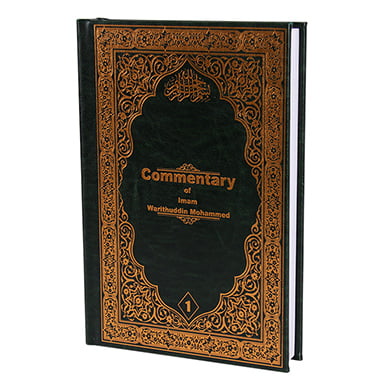
A custom book is more than stacked pages; it is a product whose value shows in the bind, the paper, and the colour from first copy to last. Buyers who produce a custom book by workflow and proof avoid the misprints that turn a self publish book into a return. The guidance covers cases, the failure modes of weak finishing, the engineering that holds, and a buyer checklist for book printing and hardcover book.
Real-World Industry Case / Scenario
An Author Whose First Run Fell Apart
A first-time author used a custom book service that delivered a self publish book with loose signatures and uneven colour, and readers complained. Switching to a book printing shop with sewn binding and a hardcover book option fixed durability and look. The author learned that a custom book lives or dies at the bind, and that self publish book quality is judged by the page, not the cover.
The project begins with the trim size and the page count, because those two numbers drive the press, the binding, and the cost more than any other decision. A self publish book planned around the wrong trim ends up either cramped or padded. Fixing the format early keeps the whole run on budget.
Paper choice changes the reading experience. A hardcover book meant to be kept reads better on a heavier, opaque stock that reduces show-through, while a book meant to be posted favours a lighter sheet. The stock should follow the intended use rather than the price per ream.
The right paper stock supports both the look and the durability of the piece.
A Company That Needed a Polished Gift
A firm ordered a custom book as a client gift and a flat book printing run looked thin next to rivals. Choosing a hardcover book finish and better paper lifted perceived value. The buyer learned that book printing stock and cover decide the gift, and that a custom book planned for finish beats one planned for price.
Interior and cover need different attention. Book printing for the inside should optimise for legibility, line length, and margin, while the cover carries the weight of durability and shelf appeal. A hardcover book that reads well but feels cheap in the hand still disappoints the buyer.
Cover finishes carry the shelf decision. Cloth, foil, embossing, and spot UV each add a step and a cost, but they are what makes a hardcover book feel worth its price on a table. Buyers should pick the finish against where the book will be judged.
A documented spec sheet keeps every reprint consistent across orders.
Risk & Failure Mode Analysis
Binding and Signature Failure
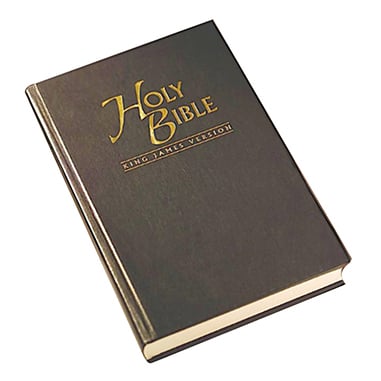
The core risk in a custom book is a bind that loosens or a signature that drops, so the self publish book falls apart in hand. Book printing with weak adhesive fails faster than sewn work, and a hardcover book with poor casing looks cheap. The fix is the right bind for the page count, because a custom book bound below its weight fails the reader.
Binding choice follows the expected use. A self publish book sold online travels and gets handled, so a binding that lies open and resists cracking earns its cost. Buyers should test a sample of the proposed method before committing to the full run.
Edition planning should anticipate a reprint. A self publish book that sells needs more copies, so the files, the specifications, and the plates should be stored in a form that allows a fast reorder. Book printing programmes built for a single run pay twice when the second edition comes.
Spare binding supplies on hand turn a late order into an on-time delivery.
Colour and Paper Drift
A custom book with unmanaged colour shifts between chapters, and book printing on uneven paper reads inconsistent. The self publish book then looks amateur despite good writing. The risk is silent until read, so the printing company should control paper and colour. A hardcover book with drifted print wastes the premium cover.
Proofing catches the errors that matter. A single mis-set spread or a dropped image ruins a short-run book, so the proof should be checked page by page against the source. Orders that pass a careful proof avoid the reprint that erases the saving.
Sample review is not optional. A physical dummy of the trim, the stock, and the binding tells the buyer more than any digital mockup. Custom book orders that skip the dummy discover the problem after the full run has been printed and bound.

Technical Principles & Standard Compliance
Workflow, Binding, and Colour Control
A durable custom book rests on a workflow that proofs the file, binds to the page count, and controls colour across the book printing run. The self publish book should match bind to use, and the hardcover book should case square. A printing company that documents the workflow lets the buyer trust the custom book, while book printing without proofing hides the fault.
Vendor capability should match the ambition. A hardcover book with foil, embossing, or a jacket needs a bindery with those tools in house, or the job moves between suppliers and the schedule slips. Buyers should confirm the finishing list before choosing a partner.
A clear prepress checklist prevents the errors that surface only after print.
Actionable Buyer & Maintenance Guide
Specifying and Producing the Book
Buyers should choose the custom book format, paper, and bind, then approve a proof and a hardcover book sample with the supplier. Suppliers of custom book printing such as CMSZ Print provide a book printing plan that names bind and stock. Production means a signed proof and a press check. A self publish book briefed with care keeps the custom book durable and the colour true.
Interior file quality limits everything downstream. A self publish book with low-resolution images, missing fonts, or unflattened transparency will either be rejected at prepress or printed with surprises. Clean files are the cheapest quality control a buyer can apply.
Proofing before the full run confirms colour and layout before stock is committed.
Frequently Asked Questions
Question 1: Which binding suits my book?
Answer: Binding follows page count and use; a self publish book under 100 pages may use perfect bind, while a hardcover book suits gifts and libraries. Custom book thickness decides the bind, and book printing should match it. Buyers should ask the printer, because a custom book bound wrong fails in the hand.
Question 2: How is colour kept even?
Answer: Even colour needs managed press profiles and a proof across the custom book, because book printing drifts chapter to chapter without control. The self publish book should be sampled mid-run, and the hardcover book cover matched to the body. Buyers should sign a proof for the custom book before the full run.
Question 3: What makes a hardcover premium?
Answer: A hardcover book feels premium through square casing, quality board, and a matched dust or print cover, so the custom book reads as a product. Book printing stock inside should match the outside, or the self publish book feels split. Buyers should see a sample, because a hardcover book is judged by its case.
Question 4: How is the run verified?
Answer: Verification means a proof, a press check, and a draw check on the custom book, with the hardcover book inspected for square and bind. Book printing should log the run for reorders, and the self publish book sampled for colour. A printing company that records the job protects the custom book from a reprint.