 EN

How to Order Board Book Printing for Children and Baby Books
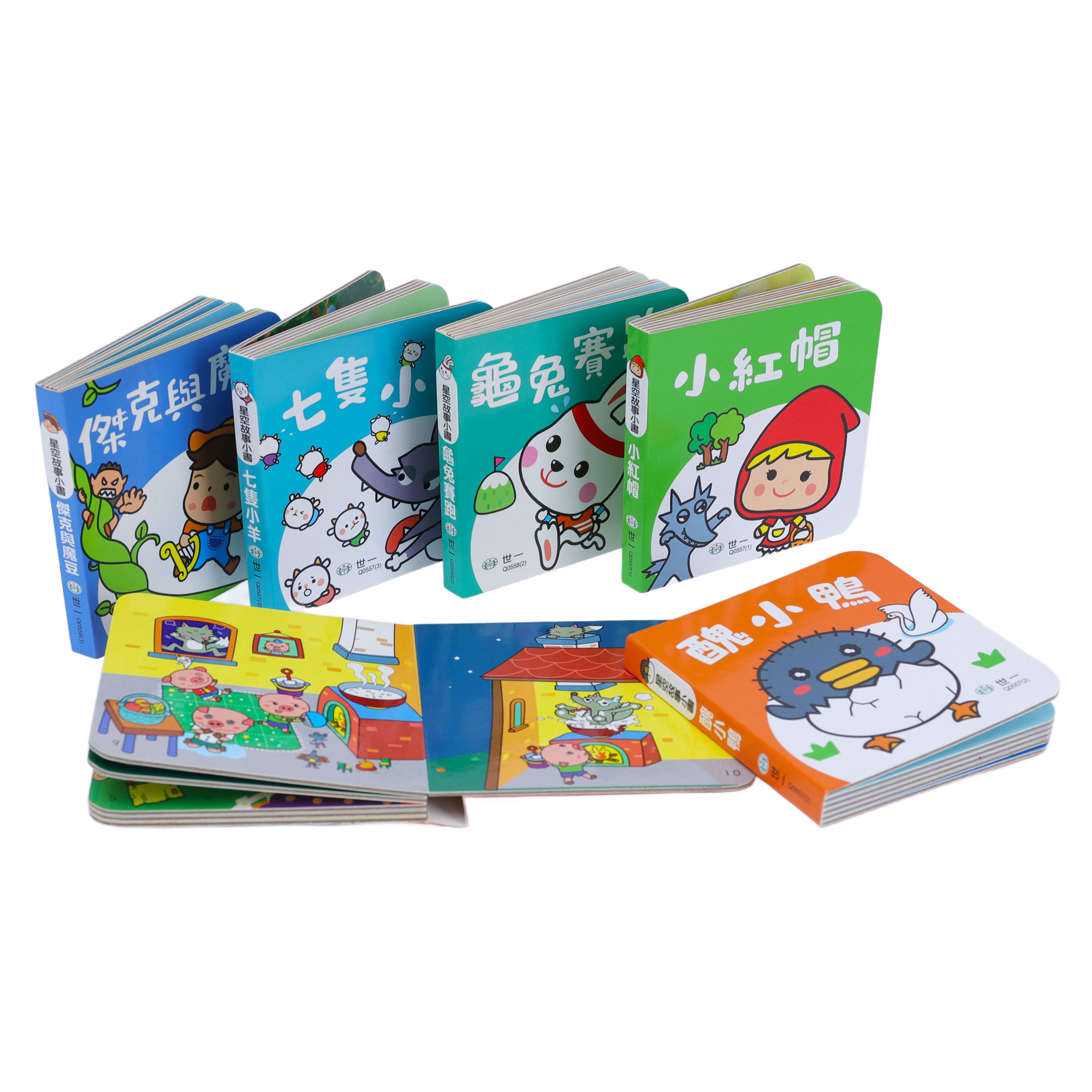
Board book printing makes a book a toy that survives a toddler, and the thick page book format demands different stock, glue, and round corners than a normal custom book. Buyers who order the format by durability and safety avoid the splits and sharp edges that fail a baby book printing run. The guidance covers cases, the failure modes of weak build, the engineering that holds, and a buyer checklist for a children book.
Real-World Industry Case / Scenario
A Publisher Whose Books Split
A children book publisher ordered board book printing and the pages delaminated after a few reads, so the baby book printing run was returned. A supplier with matched board stock and glue fixed the split. The buyer learned that a thick page book needs the right adhesive, and that board book printing fails at the layer if glue is wrong.
The format exists to survive handling. The pages must resist tearing, chewing, and repeated bending, so the board weight and the lamination matter more than the artwork resolution. A children book built for a nursery shelf needs a durability spec, not just a picture spec.
Coating choice affects both safety and feel. A baby book finish should resist moisture and saliva without flaking, so the coating system matters as much as the board underneath. Buyers should ask for the coating specification before a run goes to a young range.
The right paper stock supports both the look and the durability of the piece.
A Brand That Needed Safe Corners
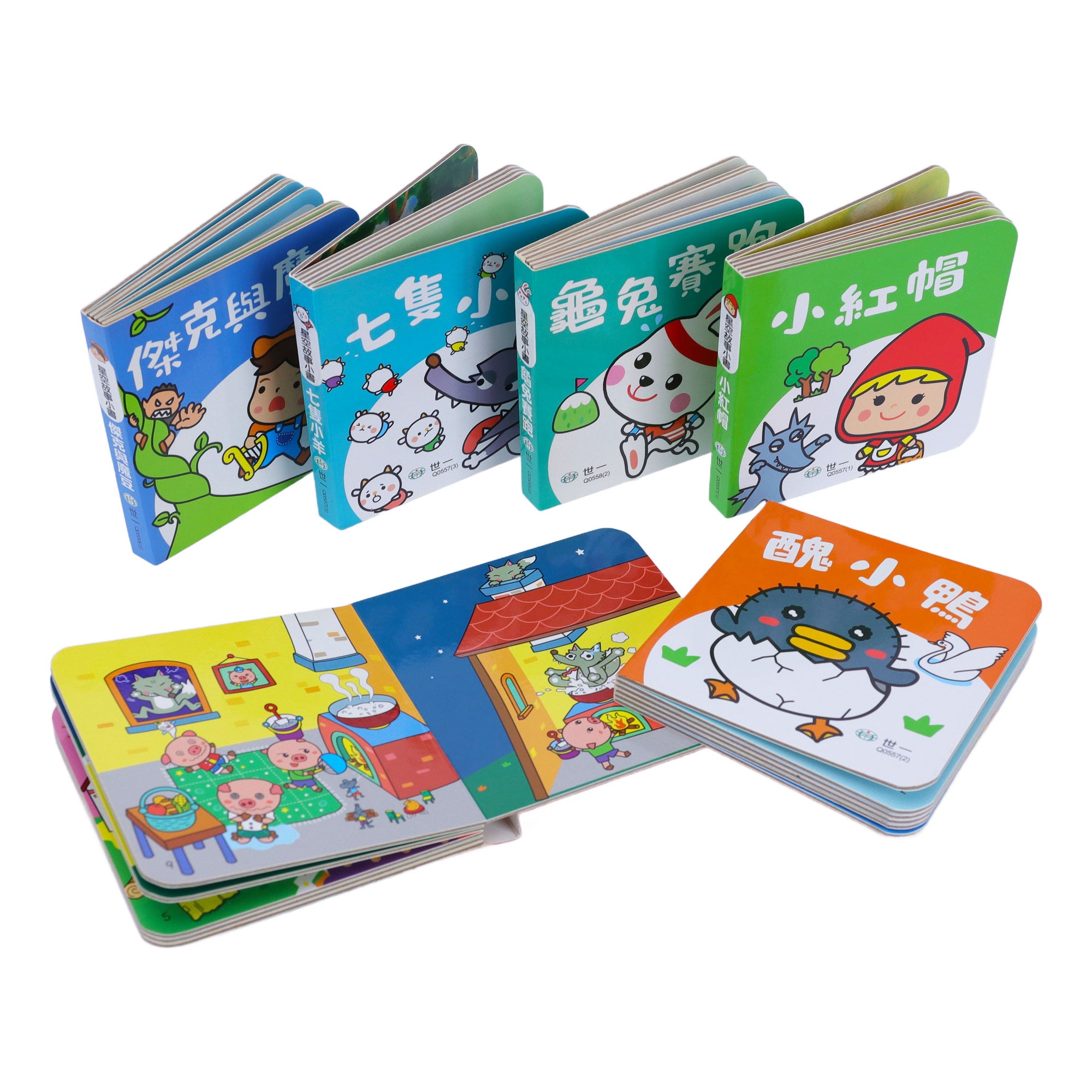
A brand's baby book printing arrived with square corners that failed safety review, blocking a children book launch. Switching to round-corner board book printing passed. The buyer learned that a thick page book must meet child safety, and that the spec includes the edge, not just the print.
Safety governs the finish. A baby book printed for the youngest readers should use non-toxic inks and coatings, and the corners should be rounded so there is no sharp edge. Buyers should ask the printer to confirm the ink and coating compliance before a thick page book reaches a young range.
Page count and thickness interact with the bind. A children book with too few pages on thick board feels empty, while one with too many strains the spine, so the page count should be set against the board weight and the reader age. Board book printing planned on page count alone produces a product that feels wrong in the hand.
A documented spec sheet keeps every reprint consistent across orders.
Risk & Failure Mode Analysis
Delamination and Glue Failure
The core risk in board book printing is layers that separate, so the thick page book falls apart in small hands. A baby book printing run with weak glue or mismatched board fails fast, and the children book loses trust. The fix is matched stock and adhesive, because board book printing without glue control delaminates on the first read.
Page thickness sets the age fit. A thick page book for a toddler needs fewer, sturdier pages, while an older child handles a thinner board and more pages. A product planned around the reader age avoids a book that either frustrates a toddler or feels flimsy to a parent.
Artwork resolution has to survive the thick stock. Images placed on heavy board need enough resolution to stay crisp after the coating and the trimming, because a soft image on a sturdy page reads as a cheap product. The prepress check should be done at the final trim size.

Sharp Edges and Safety
A board book printing order with square or rough edges fails child safety and retail rules, and the thick page book becomes a hazard. The risk is compliance, so the children book should round and smooth. A baby book printing run shipped without edge care is pulled at review, and the corner belongs in the spec.
The binding must outlast the pages. A children book bound with a spine that opens flat and stays attached survives the pull test that every board book faces. Buyers should ask how the bind is constructed, because a weak spine fails long before the board does.
Testing with real users catches design faults. A children book that looks balanced on a screen can be too busy or too sparse in the hand, so a sample should be shown to the target age group before the run. Baby book printing that skips the sample stage discovers the problem after the bind.
Technical Principles & Standard Compliance
Board Stock, Adhesive, and Safety Edges
A safe board book printing rests on matched board stock, adhesive that holds the thick page book, and rounded, smooth edges for the children book. The baby book printing should prove wash and chew resistance, and the printing company should document safety. A board book printing job built this way lasts, while a thick page book without edge care fails review.
Colour and contrast carry the design. Books for young readers need high contrast and clean, simple images that read at a small size. A layout that works in a shelf photograph often fails in the hand, so the design should be tested at the real trim size before the run.
A clear prepress checklist prevents the errors that surface only after print.
Actionable Buyer & Maintenance Guide
Specifying and Ordering the Board Book
Buyers should set board book printing stock, glue, and edge, then confirm safety and a children book sample with the supplier. Suppliers of board book printing such as CMSZ Print provide a baby book printing plan that names board and adhesive. Ordering well means a safety sample and a clear run. A thick page book briefed with care keeps the board book printing durable and compliant.
Corner rounding and edge finishing are safety features. A baby book handled by a toddler needs rounded corners and a smooth, splinter-free edge, so the trimming and the edge treatment should be specified with the youngest reader in mind. A thick page book with a sharp corner is a hazard in a nursery.
Proofing before the full run confirms colour and layout before stock is committed.
Frequently Asked Questions
Question 1: What makes a board book safe?
Answer: Safety comes from rounded, smooth edges and non-toxic board, so board book printing must spec the corner, not just the print. A thick page book with square edges fails children book rules, and baby book printing needs washable stock. Buyers should request a safety sample, because the product is judged by the edge.
Question 2: Why do pages split?
Answer: Pages split when board book printing pairs wrong glue with the board, so the thick page book delaminates under use. A baby book printing run needs matched adhesive and board, and the children book should survive flex. Buyers should ask for a flex test, because board book printing without glue control fails fast.
Question 3: Which stock is right?
Answer: Stock follows age and use; a thick page book for toddlers needs rigid, coated board, while a children book for older kids can be lighter. Board book printing stock decides durability, and baby book printing needs chew resistance. Buyers should see a sample, because the stock is the product.
Question 4: How is the run verified?
Answer: Verification means a sample board book printing that is flexed, washed, and edge-checked, with the thick page book inspected for glue. The children book should pass safety, and baby book printing sampled for delamination. A printing company that records the run protects the order from a return.