 EN
How to Choose Spiral Binding for Coil and Wire Book Binding
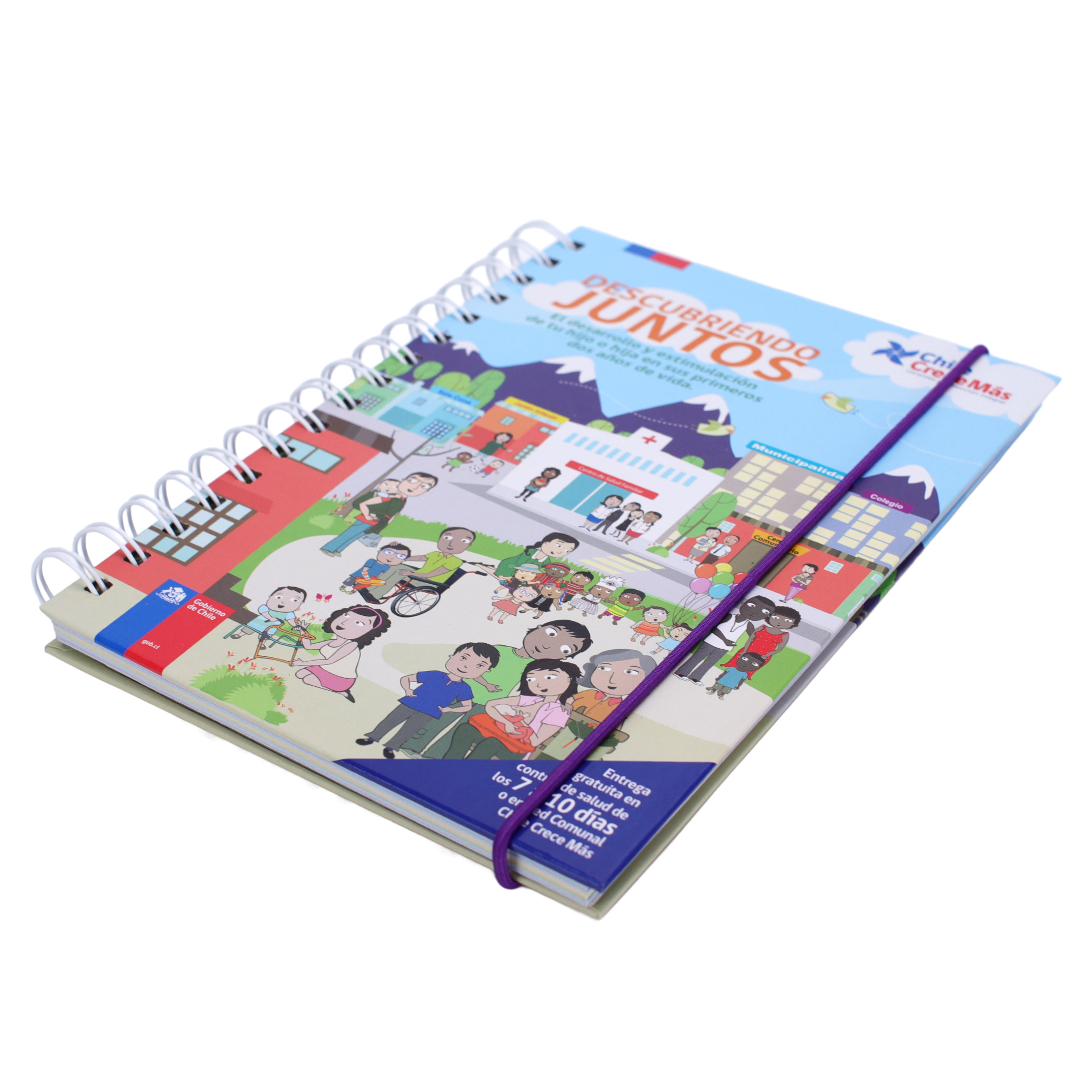
Spiral binding turns a document into one that lies flat and takes abuse, and the choice between coil and wire decides how the book binding survives daily use. Buyers who choose spiral binding by material and margin avoid the snags and cracks that ruin a coil binding job. The guidance covers cases, the failure modes of weak bind, the engineering that holds, and a buyer checklist for wire binding and book binding.
Real-World Industry Case / Scenario
A Trainer Whose Manuals Snapped
A training firm used spiral binding for field manuals and the plastic coil cracked at the punch, so the wire binding came loose in bags. Switching to a thicker coil binding and a reinforced margin fixed it. The buyer learned that spiral binding must match the abuse, and that a book binding planned for the desk fails in the field.
Coil binding suits documents that must lie flat and turn fully. A thick report or a manual turns a full rotation without cracking the spine, which a stapled or perfect-bound format cannot match. Buyers should match the binding to how the document will be used on a desk.
Cover weight and coating protect the first impression. A laminated or heavier cover resists the coffee ring and the folder rub that a report collects in a bag, and it also stiffens the spine so the coil holds its shape. Wire binding and coil binding both last longer behind a protected cover.
The right paper stock supports both the look and the durability of the piece.
A Studio That Needed a Flat Lay
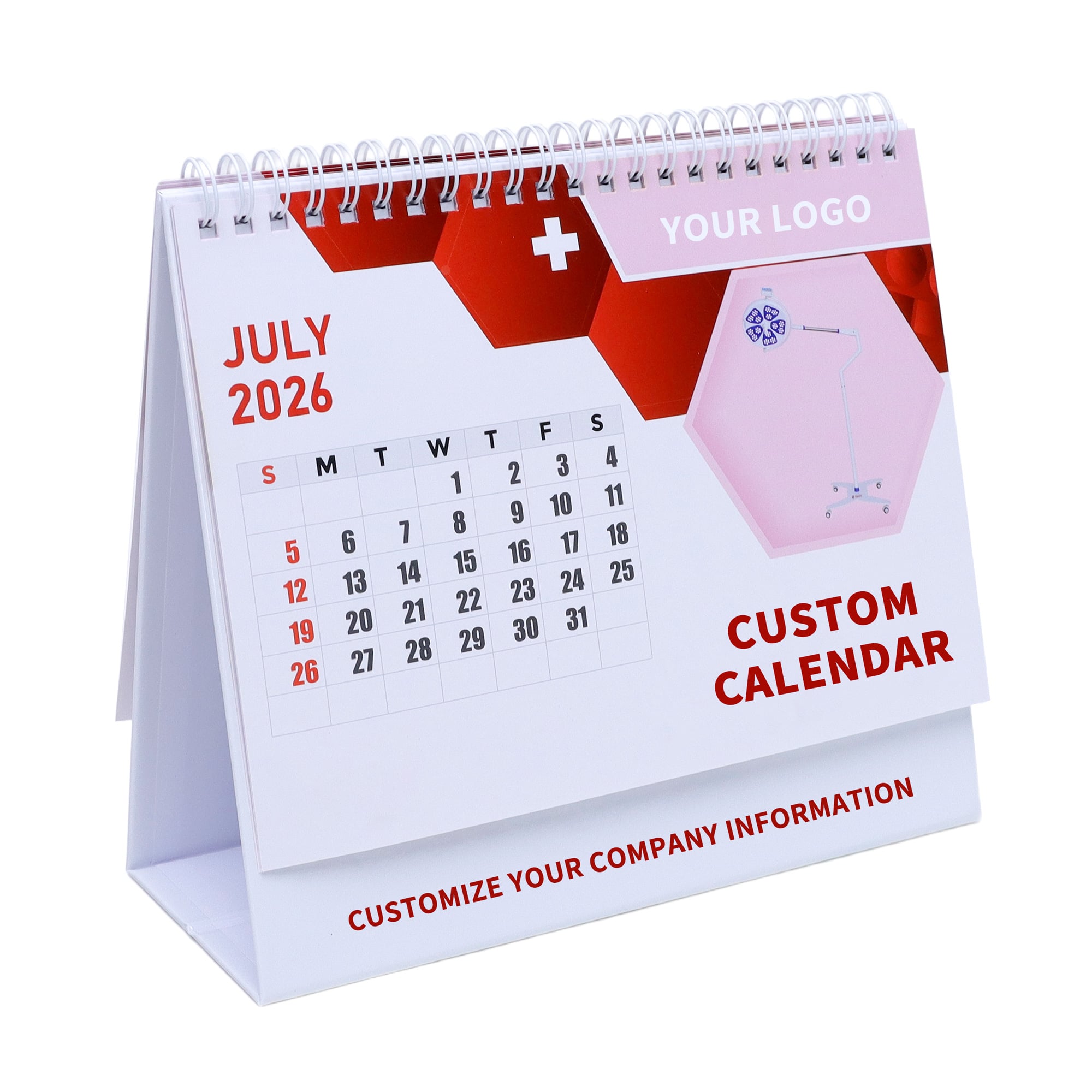
A design studio needed spiral binding that lay flat for tracing, and a perfect book binding fought the user. A coil binding with a clean punch let pages stay open. The buyer learned that spiral binding wins where flat lay matters, and that wire binding can look sharper for presentations.
Coil pitch and diameter follow the page count. A thin document needs a fine pitch to avoid a loose bind, while a thick manual needs a heavier coil that still punches cleanly. A specification made without the page count in mind produces either a weak bind or a spine that will not close.
Turn radius follows the coil diameter. A narrow coil on a thick stack forces the pages to strain and the holes to elongate, so the coil diameter should be chosen against the page count rather than against the punch size alone. Spiral binding that fights its own coil turns stiffly and tears.
A documented spec sheet keeps every reprint consistent across orders.
Risk & Failure Mode Analysis
Coil and Margin Failure
The main risk in spiral binding is a coil that cracks or a margin too small to hold the punch, so the book binding pulls free. A coil binding with thin plastic and a tight margin fails fast, and wire binding with wrong pitch binds unevenly. The fix is the right coil and a safe margin, because spiral binding without margin planning falls apart.
Cover stock protects the edge. A document handled daily should carry a heavier front and back cover, and ideally a laminated front, so the first page does not curl. Wire binding and coil binding both benefit from a cover that takes the wear the pages do not.
Labelling and indexing add real value. A coil bound manual with tabbed sections and a printed spine label is used differently from one without, because the reader can find a section without flicking. The finishing options should be considered while the document is still being designed.
Spare binding supplies on hand turn a late order into an on-time delivery.
Pitch and Compatibility
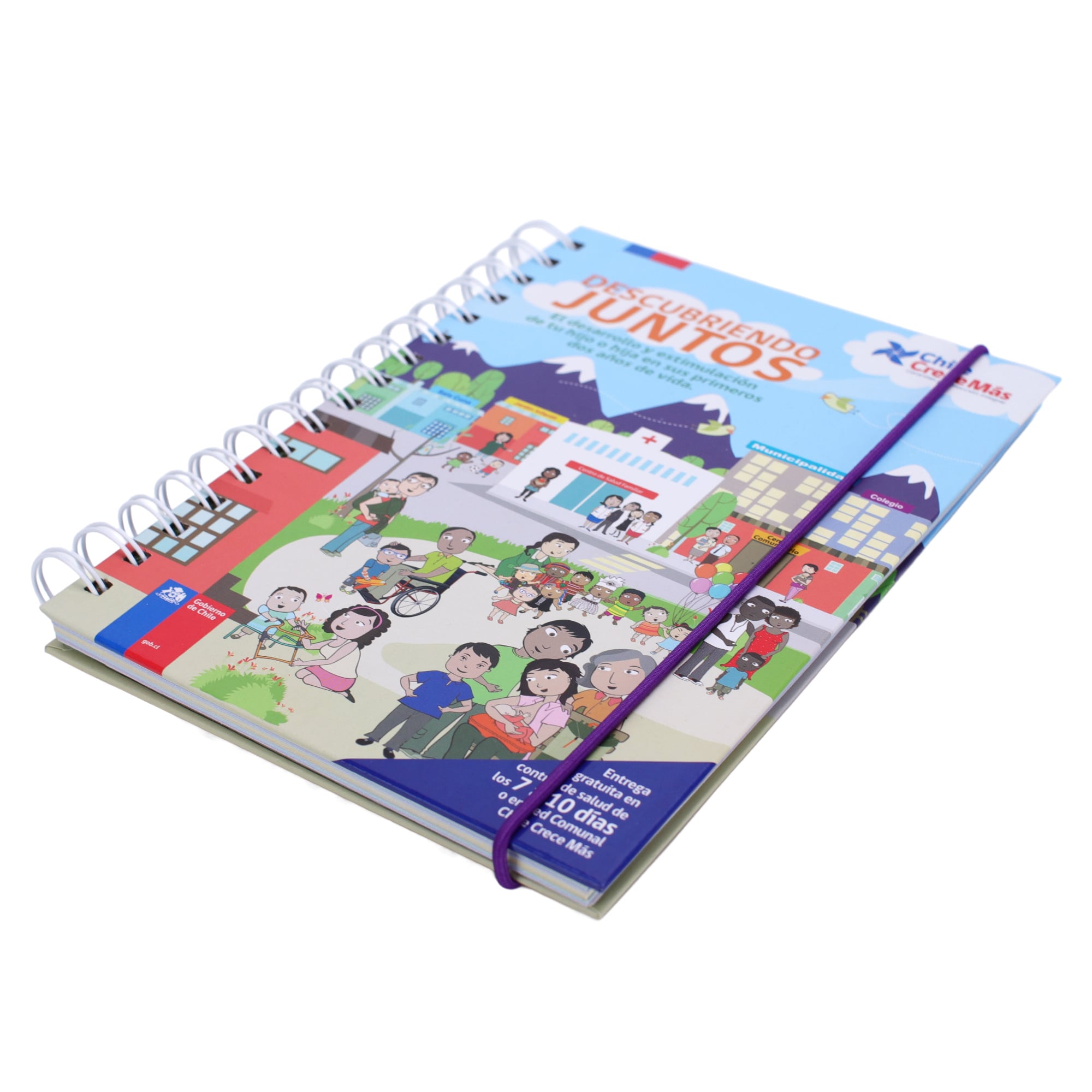
Spiral binding fails when coil pitch and punch do not match, so the wire binding skips holes and the book binding looks ragged. The risk is mechanical, so the printing company must match pitch to coil. A coil binding planned without pitch check jams the machine and the document, and spiral binding quality starts at the punch.
Punch quality decides the turn. Clean, round holes let the coil sit evenly and the pages align, while ragged or off-centre holes make a book binding look cheap and turn stiffly. Buyers should inspect a punched sample before approving a run.
Short-run economics favour on-demand binding. Coil and wire both suit print-on-demand work, so a manual that changes quarterly can be bound in small batches without a warehouse of obsolete copies. Book binding chosen for flexibility avoids the storage cost of a large single run.
Technical Principles & Standard Compliance
Pitch, Margin, and Coil Material
Reliable spiral binding combines the right pitch, a margin that holds the punch, and a coil suited to use, whether coil binding for flex or wire binding for look. The book binding should lie flat and resist snap, and the printing company should match pitch to coil. A spiral binding job documented this way lasts, while book binding without margin control fails early.
Short runs favour the flexible methods. Coil binding and wire binding both work economically at low quantities, which makes them the right choice for reports, manuals, and proposals printed in small batches. Volume orders should still be checked for consistent pitch across the whole stack.
A clear prepress checklist prevents the errors that surface only after print.
Actionable Buyer & Maintenance Guide
Specifying and Ordering the Bind
Buyers should pick spiral binding by use, choose coil binding or wire binding, and set the margin with the supplier. Suppliers of spiral binding such as CMSZ Print outline a book binding plan that names pitch and coil. Ordering well means a sample and a clear quantity. A coil binding job briefed with care keeps the spiral binding flat and intact.
Margin design must respect the punch. A document bound with coil or wire loses paper inside the punch line, so the inner margin has to be set for the binding method or the text sits in the gutter. A book binding planned on a perfect-bound margin cramps once the holes are made.
Proofing before the full run confirms colour and layout before stock is committed.
Frequently Asked Questions
Question 1: Coil or wire binding?
Answer: Coil binding suits flex and abuse, while wire binding looks sharper for presentations, so spiral binding choice follows use. The book binding should match how the document is handled, and coil binding resists snap better. Buyers should weigh durability against look, because spiral binding is a use decision, not just a style.
Question 2: What margin is safe?
Answer: A safe margin in spiral binding leaves enough paper to hold the punch, usually more than a perfect book binding needs. A coil binding with a thin margin cracks at the hole, and wire binding pulls free. Buyers should let the printer set it, because spiral binding without margin planning fails in the hand.
Question 3: What pitch matters?
Answer: Pitch is the hole spacing that must match the coil, so spiral binding needs pitch and coil paired or the book binding jams. A coil binding with wrong pitch skips holes and looks ragged. Buyers should confirm the printer matches pitch, because spiral binding quality starts at the punch.
Question 4: How is the bind verified?
Answer: Verification means a sample spiral binding that is opened, flipped, and flexed, with the coil binding checked for full insertion. The wire binding should sit even, and the book binding inspected for margin. A printing company that samples the spiral binding protects the run from a bind failure.