 EN
EN
Saddle Stitch Binding: Cost-Effective Solution for Short Runs
Cost-effectiveness and fast production for low-page-count projects
Saddle stitch binding works great when we're talking about small print jobs that don't go past around 80 pages. The process involves folding paper sheets along the spine area and then fastening everything together using metal staples, which means no messy glue application needed during production. A lot of print shops can actually get these bound books ready on the same day they receive them, saving businesses roughly 40 percent in labor expenses compared to alternative binding techniques. Since all that's really required are some basic staples plus good quality cover material, saddle stitching remains one of the cheapest options available for anyone looking to produce fewer than 500 copies. Plus, because the whole operation isn't complicated at all, there's still room for quick changes right up until the final binding stage. That makes this method particularly popular among folks who need printed materials quickly, such as those putting together brochures for conferences or flyers for upcoming sales events.
Page count limitations and durability considerations (up to 80 pages)
Saddle stitching is generally suited for thinner documents because when publications go beyond around 80 pages, they start developing noticeable spine bulk which causes pages to spread out (page creep) and creates those annoying uneven margins. The wire staples just don't hold up well in thicker book blocks either. Some testing has shown that failure rates jump by about 28% once books pass the 64 page mark. Moisture from humidity tends to soften those metal staples over time, and constant flipping through the pages speeds up the wear and tear process. Most people find that materials needing frequent reference will last somewhere between two to three years before showing signs of coming apart, especially if handled regularly. For anything that needs to stand the test of time, adding reinforced covers or switching to different binding methods makes much more sense in the long run.
Ideal use cases: brochures, newsletters, and short manuals
Saddle stitching works best when budget and turnaround time are more important than something lasting forever. The flat lay design makes marketing brochures really stand out, letting potential customers see products clearly without flipping pages back and forth. For newsletters or magazines that aren't too thick (say under 64 pages), saddle stitched binding lets publishers make changes faster. They can update just one section instead of printing whole new batches. Training manuals and workbooks also get a boost from this method because pages open all the way flat, which is great for people taking notes while reading. There are plenty of other everyday uses too, like...
- Restaurant menus requiring seasonal changes
- Conference or event programs
- Short-run product catalogs
- Comic books and children's activity booklets
The compact, lightweight format simplifies distribution and storage, adding to its practical appeal.
Perfect Binding: Professional Finish for Medium to High-Page-Count Books
Perfect binding gives books that nice finished look you see in bookstores, great for anything between around 48 pages all the way up to over a thousand pages thick. The process glues pages together along the spine area, resulting in something that looks really clean and professional. This works well for things like novels people want to keep reading, those big reports companies need to distribute, or product catalogs customers flip through. What's nice about this method is how sturdy it stays even with different numbers of pages inside. Plus, there's room to print titles right on the spine so folks can still read what the book is about when it sits on a shelf next to others.
PUR Binding Advantages: Enhanced Glue Strength and Spine Durability
Traditional EVA adhesives tend to crack under extreme heat or cold conditions. That's where PUR binding comes in with its superior glue technology that actually penetrates deep into the paper fibers themselves. What this means for bookmakers is a spine that stays flexible even after repeated bending and handling while resisting moisture damage over time. Books bound with PUR don't crack when someone tries to lay them completely flat on a table, which many readers have probably experienced with cheaper bindings. Some tests show these books last around 40 percent longer than standard ones before showing signs of wear. Plus, the adhesive works reliably across a wide range of temperatures, staying put whether stored in a chilly warehouse or exposed to hot summer conditions without losing pages unexpectedly.
Lay-Flat Functionality and Flexibility in Page Count (48–1,000+ Pages)
Modern perfect binding techniques enable books to lie completely flat—essential for cookbooks, manuals, and workbooks used hands-free. This is achieved through:
- Precision spine grinding for optimal adhesive penetration
- Flexible glue formulations that endure repeated opening
- Balanced hinge tension between cover and text block
The method supports everything from 48-page catalogs to 1,000-page technical manuals without compromising durability. Unlike saddle stitching, perfect binding allows for spine printing, improving organization and shelf presence.
| Feature | Traditional EVA Binding | PUR Binding |
|---|---|---|
| Temperature Resistance | Fails below -10°C/above 50°C | Stable from -40°C to 100°C |
| Moisture Resistance | Moderate | High |
| Lay-Flat Capability | Limited (60°-90° angle) | Full 180° opening |
Wire-O and Spiral Binding: Maximizing Functionality and Flexibility
360° lay-flat design for workbooks, training manuals, and notebooks
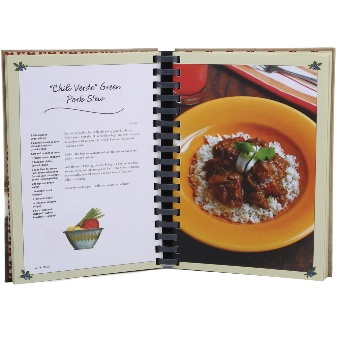
When it comes to keeping documents open and accessible, Wire-O and spiral binding really stand out thanks to their ability to lay completely flat. The pages can actually spin all the way around the binding spine, which means books stay open without flipping back and forth constantly. This makes these bindings great for taking notes during meetings, reading along with complicated instructions, or just having information readily available without holding anything down. Spiral binding works by threading a long plastic coil through pre-punched holes in each sheet, giving those pages a nice smooth turn from one to the next. Wire-O takes a different approach with two metal loops that lock together in those familiar O shapes we see on most office supplies. While this method adds a bit more stiffness compared to spiral, it still lets everything rotate freely. Most binders can handle anywhere between 16 and 275 sheets depending on thickness, so they work well whether someone needs to assemble a simple report or put together something much larger like a comprehensive training manual.
Key advantages include:
- Unrestricted page movement for two-handed use
- High durability in frequently handled environments
- Compatibility with tabbed dividers and mixed media
- Support for thick covers and specialty papers
These bindings are especially effective for educational workbooks, technical manuals, and design portfolios. The lay-flat feature also simplifies photocopying without damaging the spine. For materials requiring maximum accessibility and repeated use, Wire-O and spiral binding provide superior performance.
Hardcover Binding: Premium Durability and Long-Term Value
Comparing book binding durability: hardcover vs. softcover performance
Books bound in hardcover last much longer because they're built with stiff covers and strong spine reinforcements that can stand up against bending, tearing, and general wear from being handled all the time. These books can survive for many decades even when people flip through them constantly, which is why libraries and archive centers tend to prefer them for their important reference collections. Softcover books tell a different story though. They depend mostly on glue that starts to break down after a while, so most end up with broken spines or pages coming loose within just a couple of years. Sure, softcovers cost less at first glance, but if we think about replacing them regularly, the hardcover option actually saves money in the long run. Anyone working on manuals for businesses, school textbooks, or special edition publications will find that investing in hardcover binding pays off with both durability and that clean, professional look that makes documents feel more valuable.
Frequently Asked Questions (FAQ)
How many pages can saddle stitch binding accommodate?
Saddle stitch binding is ideal for documents with fewer than 80 pages. This is due to the limitations set by the bulk and strength of wire staples used in the binding process.
What is the difference between EVA and PUR binding adhesives?
PUR adhesive offers superior temperature and moisture resistance compared to traditional EVA adhesive, making it more durable and flexible for different environments and page counts.
Does Wire-O binding support thick documents?
Yes, Wire-O binding can accommodate up to 275 sheets, providing flexibility for both thin and thick documents while ensuring lay-flat functionality.
Why choose hardcover binding for long-term durability?
Hardcover binding provides long-term durability, significantly extending the lifespan of a book compared to softcover binding due to its robust construction and strong spine reinforcements.