 EN
EN
Polypropylene Spiral Coils: The Industry Standard for Durability
Why Polypropylene Dominates Commercial Spiral Binding
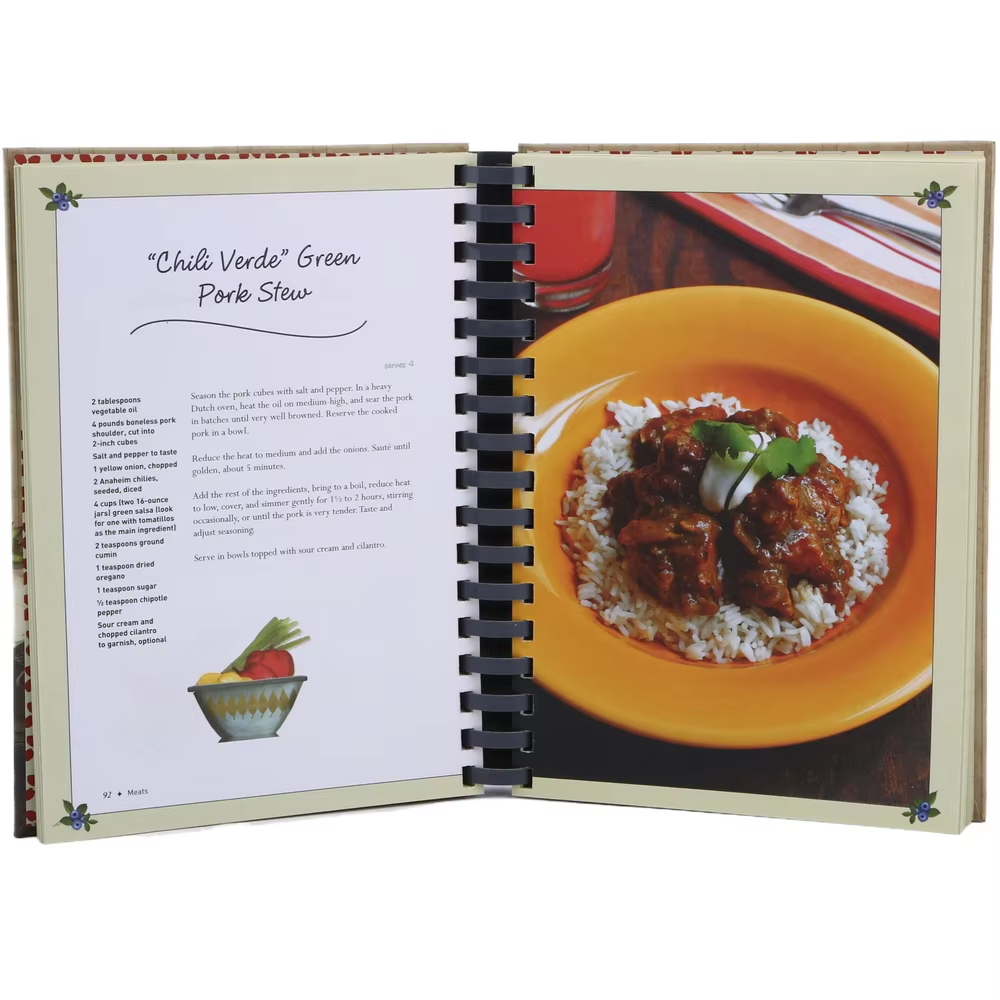
Polypropylene is now widely used for commercial spiral binding because it strikes a great balance between how well it works, what it costs, and how green it is. Being a type of thermoplastic polymer means it stands up better to water and chemicals than PVC does, so the coils don't break down when exposed to damp conditions or harsh substances. Weighing less than metal options cuts down on shipping expenses somewhere around 25-30%, yet still holds together even after many thousands of times flipping pages back and forth. What's interesting is that recycled polypropylene maintains almost the same strength as brand new material according to tests like ASTM D638 standards, which makes these products fit nicely within company sustainability programs without sacrificing quality. For things that get lots of handling day in day out such as employee training guides, technical specs books, or those thick compliance documents everyone needs to read but nobody actually wants to carry around, polypropylene just makes sense from every angle.
Tensile Strength, UV Resistance, and Cold Flexibility Explained
Three interrelated properties define polypropylene’s reliability in demanding use cases:
- Tensile Strength: Withstands 250–400 kg/cm² stress (Plastics Engineering Association, 2023), resisting deformation during repeated page flipping
- UV Resistance: Blocks 98% of ultraviolet radiation, retaining flexibility and color stability after 2,000+ hours of direct sun exposure—no yellowing or embrittlement
- Cold Flexibility: Remains pliable down to –20°C, ensuring consistent performance in refrigerated or outdoor storage environments
The reason polypropylene works so well lies in its semi crystalline structure that gives it natural resistance to fatigue. When put through bend cycle tests, it actually holds up about three times better than acetate materials. Another big plus is how stable it stays when heated. Most won't warp until they hit around 120 degrees Celsius, making them suitable for things like dashboard mounts in vehicles or equipment used in factories where temperature fluctuations are common. These properties mean documents made from polypropylene tend to last much longer, surviving all sorts of rough handling over many years without losing their shape or integrity.
Metal Spiral Binding: When Strength and Rigidity Justify the Trade-Offs
Galvanized Steel vs. Aluminum: Corrosion Resistance and Fatigue Performance
Metal spiral binding delivers unmatched rigidity and load-bearing capacity—making it essential where structural integrity outweighs weight or flexibility concerns. Galvanized steel and aluminum represent the two primary options, each optimized for distinct operational demands.
| Property | Galvanized Steel | Aluminum |
|---|---|---|
| Corrosion Resistance | High (zinc barrier) | Excellent (passive layer) |
| Fatigue Strength | 325 MPa (typical) | 95–130 MPa |
| Temp Sensitivity | Brittle below –20°C | Stable to –100°C |
The environment makes all the difference when comparing materials. Galvanized steel can take impacts about five times better than aluminum does in most factory environments, though it starts to lose around thirty percent of its strength when temperatures drop below freezing. Aluminum stays flexible even in really cold conditions, but doesn't last as long when subjected to continuous wear and tear from machines. When companies need documents that will survive through changing weather conditions without failing, galvanized steel still sets the standard. On the other hand, aluminum works well for things that need to be moved around often since they weigh so much less, even if that means replacing them more regularly over time.
Choosing the Right Spiral Binding Material for Your Use Case
Matching Material to Page Count, Handling Frequency, and Environmental Conditions
Selecting the optimal spiral binding material hinges on three interdependent variables: document thickness, usage intensity, and environmental exposure.
- Under 200 pages, polypropylene provides ideal support and flexibility—especially for infrequently used reference guides, policy binders, or internal memos.
- 300+ pages, particularly when subjected to daily handling (e.g., training workbooks, field manuals), benefit significantly from metal coils’ rigidity—reducing sag, edge tearing, and coil elongation over time.
- Humid or UV-exposed environments: Polypropylene’s 99% UV resistance and moisture immunity outperform both metals and PVC-based alternatives.
- Industrial or temperature-variable settings (–20°C to 50°C): Galvanized steel offers superior impact tolerance and dimensional stability—while specialized cold-flex polypropylene variants now extend plastic performance into low-temperature ranges previously reserved for metal.
Aligning material selection with these parameters prevents premature coil failure, extends document service life, and supports consistent user experience across departments and geographies.
Emerging Trends: Reinforced Plastics and Hybrid Spiral Binding Solutions
The world of spiral binding is seeing some pretty cool changes lately, mainly because manufacturers are getting smarter about what materials they're using. Take glass reinforced polypropylene coils for instance these things can handle about 30% more tension compared to regular ones but still stay flexible enough to open and close easily. That makes all the difference when dealing with those heavy technical manuals people need to flip through constantly at work. There's also this new hybrid approach where metal caps get attached directly to plastic spirals. The result? Much better hold at the binding points which cuts down on page tears by around half for books over 500 pages long. Pretty impressive stuff if you ask me.
Recent advances include:
- Conductive polymer coils with integrated EMI shielding for electronic equipment documentation
- Bio-based plastics certified to ASTM D6400 compostability standards
- Phase-change material (PCM) coatings that self-heal minor coil deformations through reversible thermal transitions
These solutions resolve longstanding trade-offs between ruggedness and ergonomics—particularly vital in regulated sectors like healthcare and aerospace, where documentation must meet stringent durability requirements and remain lightweight, intuitive, and compliant.
FAQ
What is the main advantage of polypropylene spiral coils over metal coils?
Polypropylene coils are more resistant to water and chemicals, lighter, and often more cost-effective compared to metal coils, making them ideal for sustainability programs without sacrificing quality.
Why would someone choose metal spiral binding over polypropylene?
Metal spiral binding offers unmatched rigidity and load-bearing capacity, which is essential for documents subjected to heavy handling and industrial environments where strength is prioritized over flexibility.
What are the benefits of glass-reinforced polypropylene coils?
These coils can handle more tension and remain flexible, making them suitable for heavy technical manuals that require frequent handling.
How do hybrid spiral binding solutions improve document durability?
Hybrid solutions, such as attaching metal caps to plastic spirals, enhance the hold at binding points, reducing page tears and improving durability for thicker books.