 EN
EN

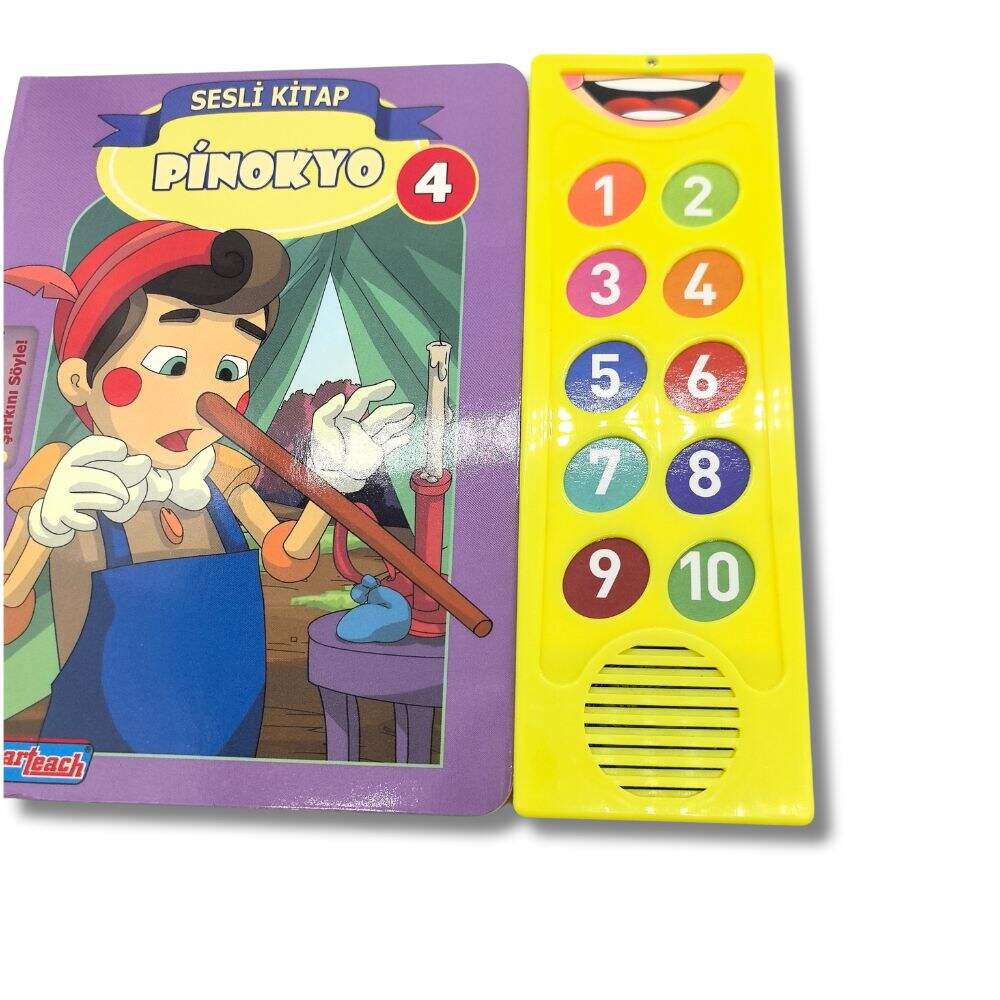
Key Stress Factors Affecting Audio Book Durability
Mechanical Stress from Frequent Page Turning and Module Activation
The biggest problem for audiobooks comes from all that physical handling. Every time someone flips through pages, there's friction building up at those binding spots, which slowly wears down both the glue holding things together and the threads in sewn bindings. At the same time, pressing buttons or tapping NFC tags activates internal electronics repeatedly, putting stress on these components over time. What happens? Well, the spine starts developing tiny tears, the conductive paths in flexible circuits get worn out, and even the paper around embedded technology becomes weaker. Traditional books don't have this issue because they lack electronic parts. But when we mix paper with electronics, different materials flex differently, creating new weak spots exactly where people interact most often with the book. That means manufacturers need to reinforce these areas specifically if they want their products to last longer.
Environmental Degradation: Humidity, UV Light, and Temperature Fluctuations
The environment takes its toll on everything from paper to electronics over time. When humidity gets above 60% relative humidity, paper starts expanding which can warp circuit boards and cause adhesives to peel away. On the flip side, when humidity drops below 40%, pages become brittle and conductive inks start failing. UV light is another problem since it breaks down ink colors and actually weakens the paper fibers at the molecular level. Research indicates that after just 200 hours under direct sunlight, paper loses nearly 40% of its tensile strength. Temperature changes matter too. If temperatures swing more than 15 degrees Celsius, different materials expand and contract at their own pace. This creates stress inside devices that cracks solder joints and damages parts in audio modules. And don't forget about mold in damp areas. Mold growth only makes these problems worse, so controlling environmental factors becomes absolutely necessary if we want to preserve documents and equipment for years to come.
Binding Methods That Maximize Audio Book Longevity
Sewn, PUR, and Spiral Binding: Performance Comparison for High-Use Audio Books
Binding integrity directly dictates operational lifespan under daily handling. Given cumulative stress from frequent page turns and embedded module activation, traditional methods often fall short:
- Sewn Binding: Stitch-reinforced spines withstand 7,500+ page turns (PIRA 2023 durability testing) but require thicker paper stock, increasing bulk—ideal for premium audio editions.
- PUR Binding: Polyurethane adhesives form flexible, moisture-resistant bonds with 40% higher peel strength than EVA glue (Bookbinders' Guild 2024), though they demand specialized equipment.
- Spiral Binding: Enables 180° lay-flat functionality for interactive modules, with coil-reinforced edges enduring 15,000+ rotations—but exposes pages to dust ingress.
For high-traffic environments like classrooms, PUR binding delivers optimal performance due to its humidity resistance and spine flexibility.
Reinforced Spine and Hinge Design for Educational and Library Audio Books
Educational and library audio books require spine reinforcement beyond standard binding. Reinforced hinges—typically fabric-ribboned or synthetic-patched—reduce spine splitting by 62% under repetitive stress (Library Preservation Journal 2023). Key implementations include:
- Corner Gussets: Tri-layered vinyl reinforcements at corners prevent delamination during page-scanning.
- Tape-Bound Spines: Non-adhesive polyester tape distributes flex stress evenly across the binding edge.
- Rigid Backings: 2mm greyboard backings paired with flexible hinges support module access while preventing warp.
Library data shows such reinforced designs extend audio book lifespan by 3–5 years in high-circulation settings.
Durable Paper Selection for Audio Book Printing
Optimal Paper Weight (120–180 gsm), Coating, and Adhesion to Embedded Audio Modules
The sweet spot for paper weight seems to be around 150 to 160 gsm. This gives us just enough durability so pages don't tear when handled repeatedly, but still keeps things light enough for smooth flipping through the book. Matte or silk coatings work wonders too, shielding those tiny audio modules from static shocks and finger oil buildup which can mess with their electrical connections, especially in busy environments where books get lots of action. Don't forget about adhesion either. The right glue needs to stick modules firmly to the paper without making it warp or peel apart when exposed to temperature changes over time. According to what manufacturers are seeing in the field, books printed on paper outside the 120-180 gsm window tend to have about 23% more problems with modules failing because the materials simply cant take the stress. Good news though for eco-conscious producers: many recycled papers in this weight category perform just as well as regular virgin paper these days, as long as they get proper surface treatments to make sure everything works together properly.
Sustainable Yet Robust Materials for Audio Book Construction
When choosing sustainable materials, there's always that tricky balance between going green and making sure things can actually hold up day after day. Take recycled cotton and denim fibers for instance they really stand up to wear and tear on book covers and binding, plus they keep tons of old clothes out of landfills. Bamboo composites are another interesting option since these plants grow at an amazing rate about thirty times faster than regular hardwood which means we don't have to cut down so many trees. The composite material also resists moisture pretty well, making it great for protecting those sensitive audio components inside learning devices. Some newer stuff coming out uses mycelium panels made from fungi. These actually absorb impacts similar to plastic foam but will eventually break down naturally when discarded. We've tested them extensively and found they survive literally thousands of page flips and button presses without showing signs of wear. Libraries and schools especially benefit from this kind of durability because their equipment gets used constantly throughout the day by multiple students.
FAQ
What causes audio books to wear out?
Audio books face wear and tear due to mechanical stress from frequent page turns and module activations, environmental factors such as humidity, UV light, and temperature changes, which degrade both the materials and electronics over time.
What are the best binding methods for durable audio books?
Sewn, PUR, and spiral binding methods are recommended for durability. PUR binding is often preferred for its resistance to humidity and flexibility, making it suitable for high-use environments.
What paper weight is ideal for audio books?
The ideal paper weight for audio books ranges from 120–180 gsm, with a sweet spot at 150–160 gsm, providing durability without compromising ease of handling.
Are sustainable materials used in audio books durable?
Yes, sustainable materials such as recycled cotton, denim fibers, and bamboo composites are highly durable and effective in resisting wear and tear, making them a great eco-friendly choice for audio books.