 EN
EN
Hardcover Book Structural Integrity: Binding, Spine, and Board Quality
Smyth-sewn vs. perfect binding: Longevity, lay-flat performance, and suitability by genre
The Smyth-sewn binding technique gives books much better structural strength because it actually stitches those folded sections right into the book's spine. This allows pages to lie completely flat when opened and keeps them from falling out over time. For this reason, most art books, cookbooks, reference materials, and serious academic publications tend to use this method since they need to last for many years without falling apart. Tests in the industry show these sewn bindings can handle about three times as many openings and closings compared to regular glued bindings. Sure, the process does cost around 25 to 40 percent more to produce, but collectors, libraries, and anyone wanting something that will stand the test of time usually consider this extra expense worth it. On the flip side, perfect binding which just glues everything together works great for mass produced fiction novels, quick print runs, or projects where speed matters more than longevity.
Chipboard thickness (16–24 pt): Balancing durability, cost, and print-ready flexibility
Chipboard thickness fundamentally shapes a hardcover’s protection level, handling resilience, and manufacturing compatibility. Boards under 18 pt are prone to warping with repeated use; 24 pt provides maximum crush resistance—critical for textbooks and library editions. The optimal choice depends on functional priorities:
| Thickness | Durability Impact | Cost Premium | Printing Considerations |
|---|---|---|---|
| 16–18 pt | Moderate bending resistance | 10–15% savings | Easier foil stamping/embossing |
| 20–22 pt | High spine protection | Baseline cost | Standard machine compatibility |
| 24 pt | Maximum crush resistance | 20–30% increase | Requires specialized presses |
Thicker boards (22–24 pt) extend shelf life but limit flexibility for delicate cover treatments like debossing. For limited editions, 20 pt strikes the strongest balance—ensuring structural integrity while supporting intricate finishing. Budget-conscious projects benefit from 18 pt boards, which deliver adequate protection without inflating shipping weight or material costs.
Hardcover Book Cover Materials and Finishes That Impact Perception and Sales
Buckram, cloth, and linen: Tactile appeal, shelf presence, and bulk-order cost trade-offs
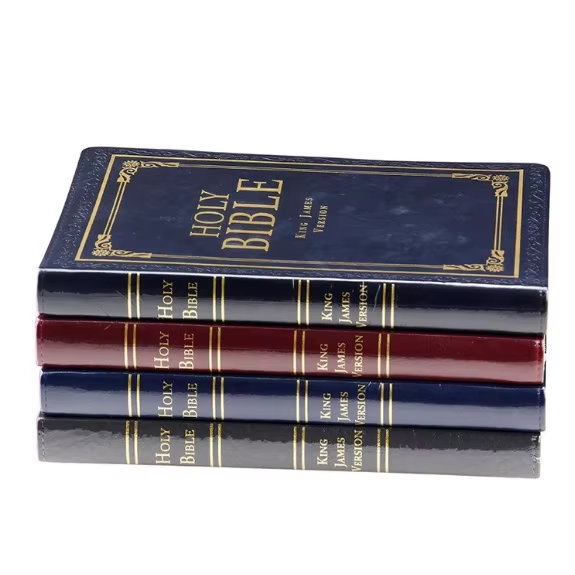
The cover material really sets the tone for how people perceive a book's quality right from the start. Buckram, which is basically cotton fabric coated with resin, stands out for lasting power and good value when ordering more than 500 copies at once. That makes it practical for books that need to be printed in large quantities or used in libraries and schools. When publishers want something fancier, linen covers and high quality cotton cloth do wonders for the look and feel. Retail stores report around 42% more attention on these types of covers based on customer observations. These materials scream quality workmanship, which matters a lot for things like novels, coffee table books, and serious nonfiction reads. The downside? They typically cost 25 to 40 percent more than synthetic alternatives. Most printers recommend going with fabrics weighing between 18 and 22 ounces. This range works well because the covers hang nicely without wrinkles but aren't so heavy that shipping costs balloon when sending out hundreds of copies.
Lamination options (gloss, matte, soft-touch): How finish affects retail visibility and reader engagement
Lamination isn't just about protection anymore. It actually changes how people interact with books through sight, touch, and overall engagement. Glossy laminations really pop because colors look deeper and shinier, which studies suggest makes books catch attention about 67% more often when sitting on store shelves under bright lights. Matte coatings have this calm, authoritative look and don't show fingerprints as much, so they work great for textbooks, poetry collections, or serious nonfiction works. Then there's soft-touch lamination that feels almost like velvet to the fingers. People tend to spend around 30 extra seconds looking at these books simply because of the unique texture. Most laminates stand up better against scratches, water damage, and general wear and tear. The catch? UV cured versions take anywhere from 7 to 10 additional days to produce. Industry experts generally recommend matching the finish to what readers expect from different genres. Gloss works well for mass market fiction and picture books, matte is preferred for academic publications or clean designs, while soft-touch finds its place in luxury editions where the physical experience becomes part of the brand story.
Hardcover Book Production Realities: Timelines, MOQs, and Vendor Selection Criteria
Average turnaround time, minimum order quantities, and red flags in printer proposals
Producing hardcover books requires careful timing because of all the different steps involved in the process. Most projects take around 4 to 8 weeks once the final files are approved before they actually reach customers. Some companies offer rush options that shorten this timeframe, but expect to pay extra somewhere between 25% and 40% more money. And there's always a chance something might go wrong with how the pages bind together or where the covers line up properly. For minimum orders, most publishers want at least 500 to 1,000 copies printed. A few will do smaller batches of about 250 books, but naturally each book costs more when ordering fewer copies. Keep an eye out for these issues when looking at what different printing companies propose.
| Evaluation Factor | Warning Signs |
|---|---|
| Timeline Estimates | Vague schedules without built-in buffer periods |
| Cost Breakdown | Opaque line items or unexplained fees for setup, material changes, or proofing |
| Quality Assurance | Unwillingness to supply binding samples or case-wrap prototypes |
Before finalizing any deal, make sure to check if the printer actually does Smyth-sewn binding and case wrapping in their own facility. Ask for samples or references from similar hardcover books they've produced recently that match what you're looking for in size and quantity. Be wary of quotes that seem too good to be true since these often mean they might be cutting corners somewhere else - maybe using cheaper board material, running old machinery, or simply lacking proper knowledge about how book structures should hold up over time. Look for printing partners willing to show all their work at each stage of production, starting with those initial prepress proofs right through to quality assurance during binding. And when reviewing samples together, find someone who sees this process as teamwork rather than just another box to tick off before shipping out products.
FAQ
What is the difference between Smyth-sewn and perfect binding?
Smyth-sewn binding stitches folded sections into the spine, enhancing durability and ensuring the book can lay flat. Perfect binding, conversely, involves gluing the pages to the spine and is more appropriate for mass-produced fiction where longevity is less critical.
How does chipboard thickness affect hardcover books?
Chipboard thickness influences the book's protection level and flexibility during manufacturing. Thicker boards offer better durability but may limit cover treatment flexibility, whereas thinner boards are cost-effective but prone to warping with repeated use.
Why should I choose buckram for hardcover book covers?
Buckram provides long-lasting durability and is cost-effective for bulk orders over 500 copies, making it ideal for large print runs and library use.
What are the benefits of different lamination options?
Glossy laminations enhance color depth and attract attention; matte coatings offer a calm appearance and resist fingerprints; soft-touch provides a unique tactile experience.
What should I consider when selecting a book printer?
Ensure the printer uses quality processes like Smyth-sewn binding, check for transparent cost breakdowns, sample availability, and beware of surprisingly low quotes which might indicate quality compromises.