When you flip through a vibrant picture book or watch a child interact with a pop-up "busy book," have you ever wondered: Why are the colors so vivid? How do these books survive being tugged and chewed by toddlers? And most importantly, how are they guaranteed to be 100% safe?
Let’s step into the world of children’s book manufacturing through four key dimensions: Design, Materials, Printing, and Safety.
1. A Visual Feast: CMYK and Color Psychology
Children are far more sensitive to color than adults. During the design phase, experts don't just focus on composition; they apply color psychology. Bright, warm tones (like red and yellow) stimulate positive energy and excitement, while soft, cool tones (like blue and green) help soothe and calm young minds.
To achieve this, CM Printing utilizes the Four-Color Printing Principle (CMYK). By precisely layering Cyan, Magenta, Yellow, and Black inks, printers can reconstruct the full spectrum of an illustrator's imagination. High color fidelity isn't just about beauty—it’s about protecting a child’s developing aesthetic sense and observation skills.
2. The Magic of Touch: Interactivity and Structural Design
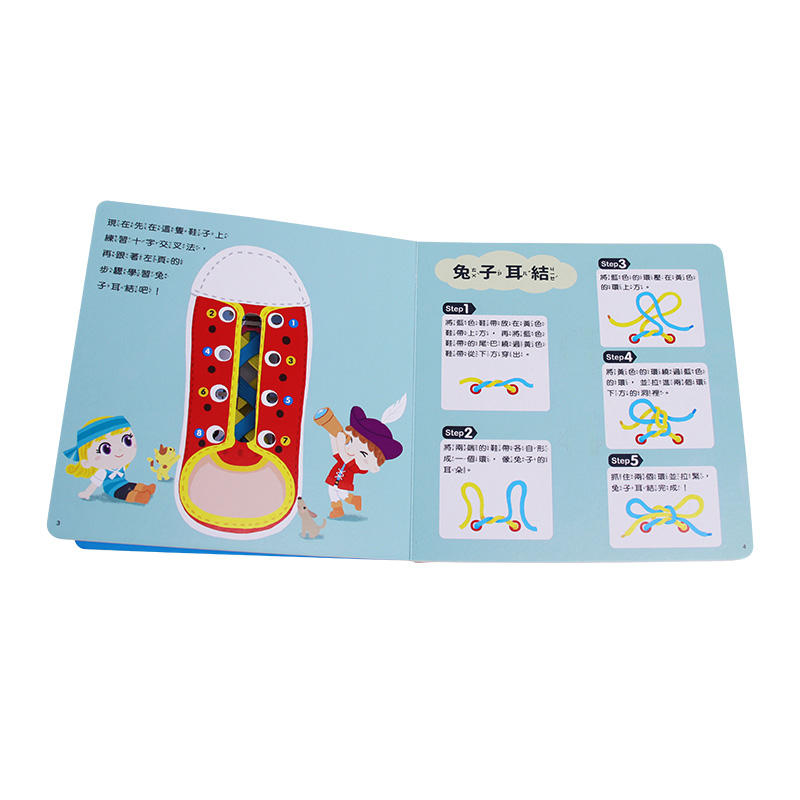
For curious toddlers, "reading" often means "playing." Modern book design incorporates tactile elements to turn a static story into a sensory adventure:
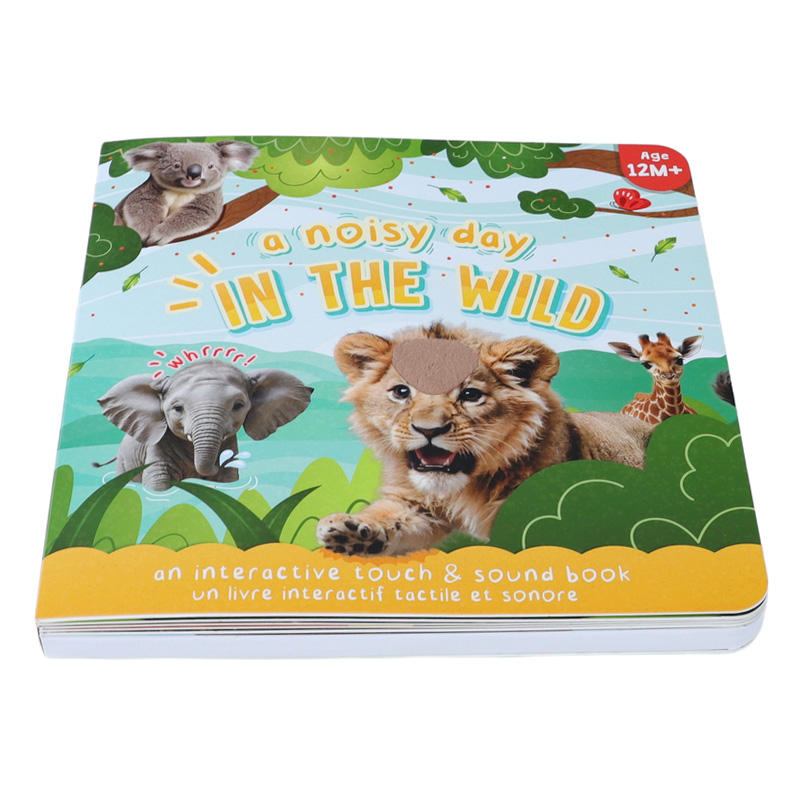
Touch-and-Feel: Incorporating textures like faux fur, sandpaper, or silicone to let children discover the world through their fingertips.
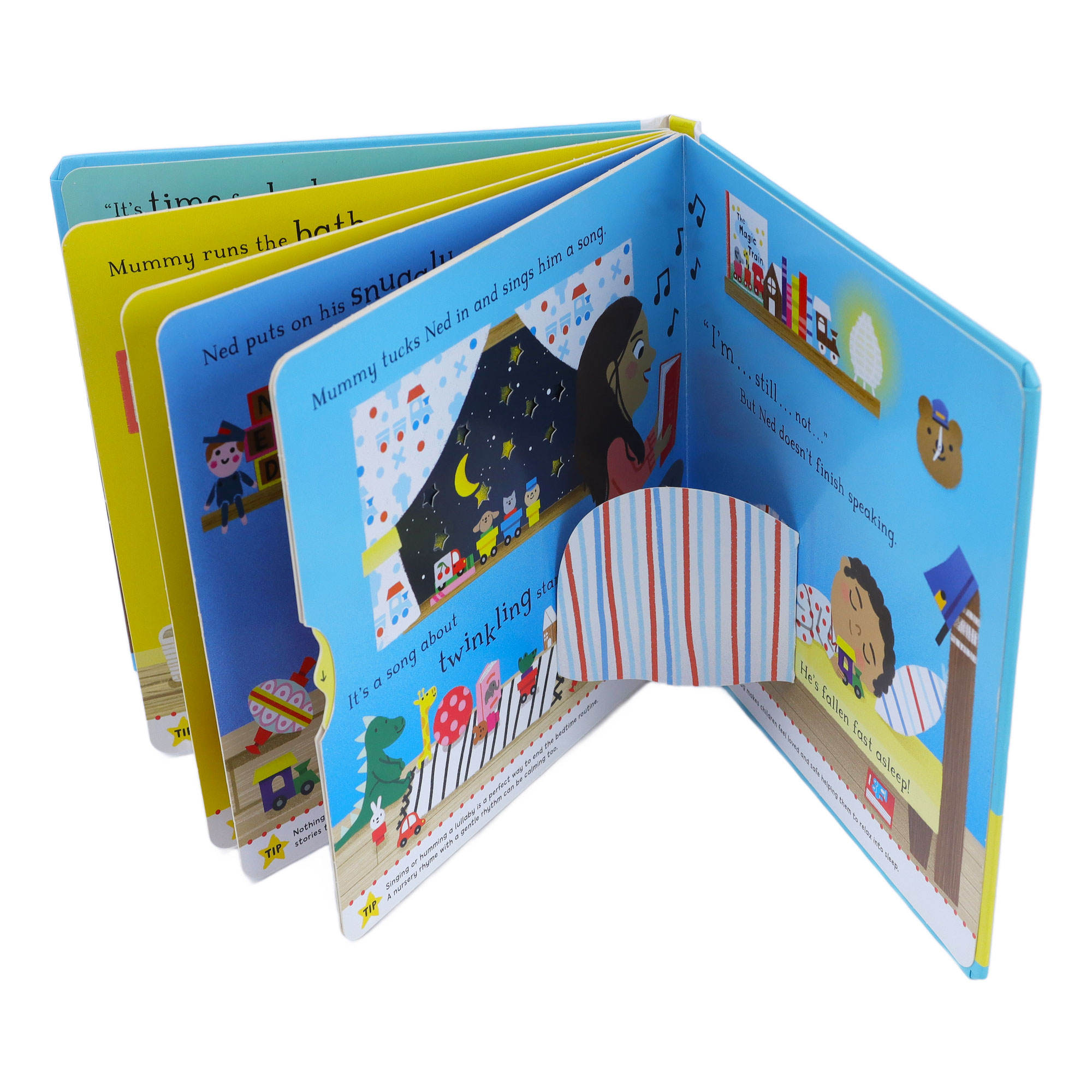
Mechanical Structures: Flaps, pop-ups, and pull-tabs stimulate exploration through spatial changes.
Busy Books: Innovative products like Magic Water Books allow kids to reveal colors using only water, making them eco-friendly, mess-free, and magical.
To support these features, the binding process is critical. For instance, thick and durable Board Books are specifically designed to withstand the "rough love" of toddlers without tearing or falling apart.
3.The Safety "Lifeline": Standards That Matter
Safety is the non-negotiable core of children's book design. Every book must pass through a gauntlet of international certifications:
Eco-Friendly Inks: Using non-toxic, soy-based or water-based inks ensures that even if a child bites the book, they are not exposed to harmful chemicals.
Physical Safety: Professional designs incorporate Rounded Corners to eliminate sharp edges that could scratch delicate skin.
Global Compliance: Leading manufacturers ensure products meet the strictest global standards, including EU CE EN 71, US CPSC, and China GB 6675.
4. The Green Lab: Material Selection and Testing
High-quality children's books prioritize FSC-certified paper, ensuring the materials come from sustainable, responsibly managed forests. Beyond sustainability, these papers are chosen for their superior ink absorption and structural durability.
Before leaving the factory, books undergo "stress tests":
Heavy Metal Detection: Ensuring zero traces of lead, mercury, or other toxins.
Friction Testing: Guaranteeing that ink won't rub off on hands or faces.
Drop & Tensile Tests: Simulating falls and tugging to ensure no small parts break off, preventing choking hazards.
Designing a children’s book is about creating a safe environment for discovery. From the curve of a rounded corner to the choice of a specific eco-friendly ink, every detail reflects a commitment to a child’s growth.
With over 20 years of experience as a global OEM partner, CM Printing Shenzhen continues to merge advanced printing technology with rigorous safety protocols, ensuring that every book becomes a safe, joyful, and lasting companion for childhood.
 EN
EN